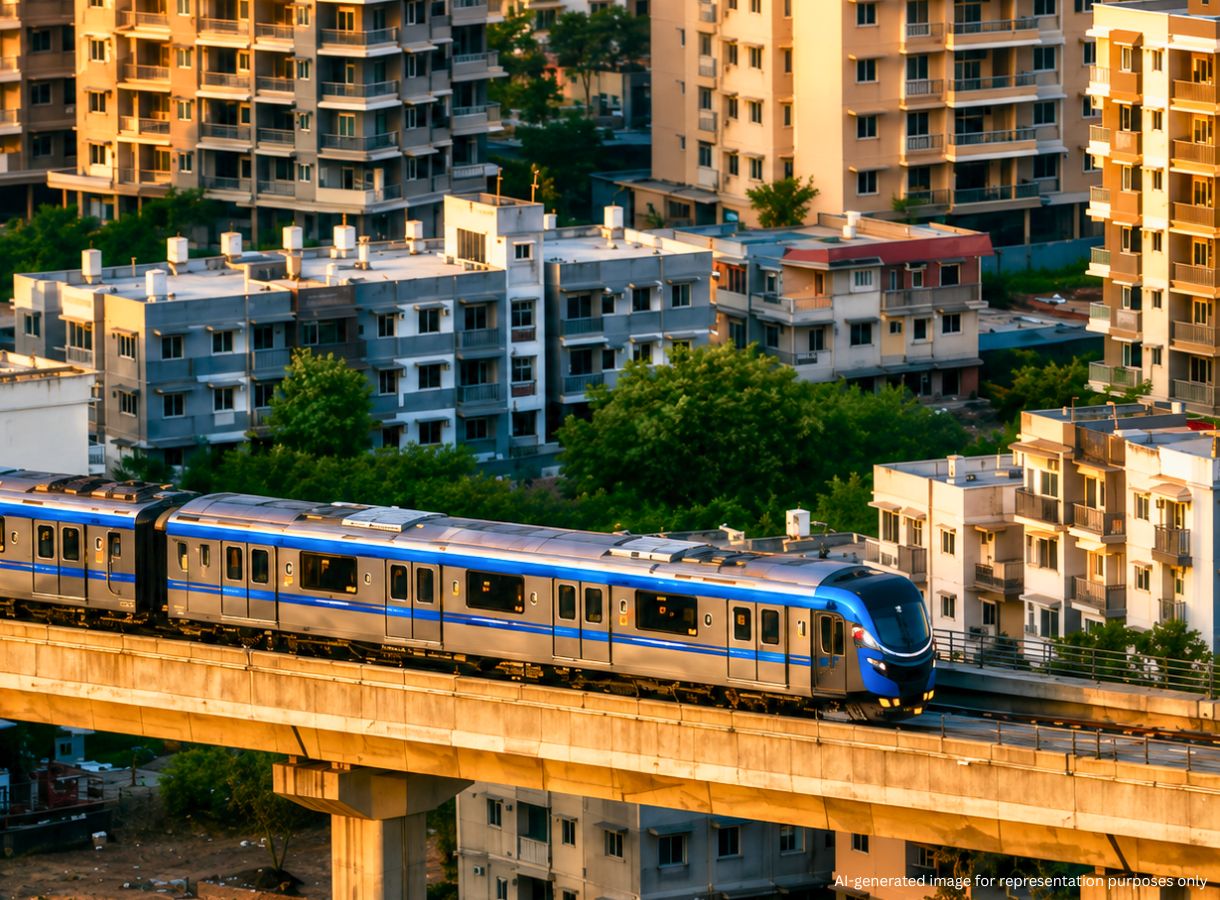
Cities constantly evolve, shaped by changing lifestyles, growing populations, and the need for better infrastructure. Chennai is now entering an important phase of that evolution through its upcoming Third Master Plan, a long term framework designed to guide how the city develops in the decades ahead.
Rather than allowing growth to happen without direction, the plan focuses on creating a more connected, efficient, and future ready Chennai. It brings together transport planning, urban infrastructure, housing needs, and land use strategies into a broader vision for sustainable city development.
For residents, the impact of such planning may gradually become visible in the form of better connectivity, organised neighbourhoods, and improved public infrastructure across multiple parts of the city.
One of the central ideas within the Third Master Plan is vertical development. As cities expand, spreading endlessly outward often creates longer commute times, infrastructure stress, and inefficient land use.
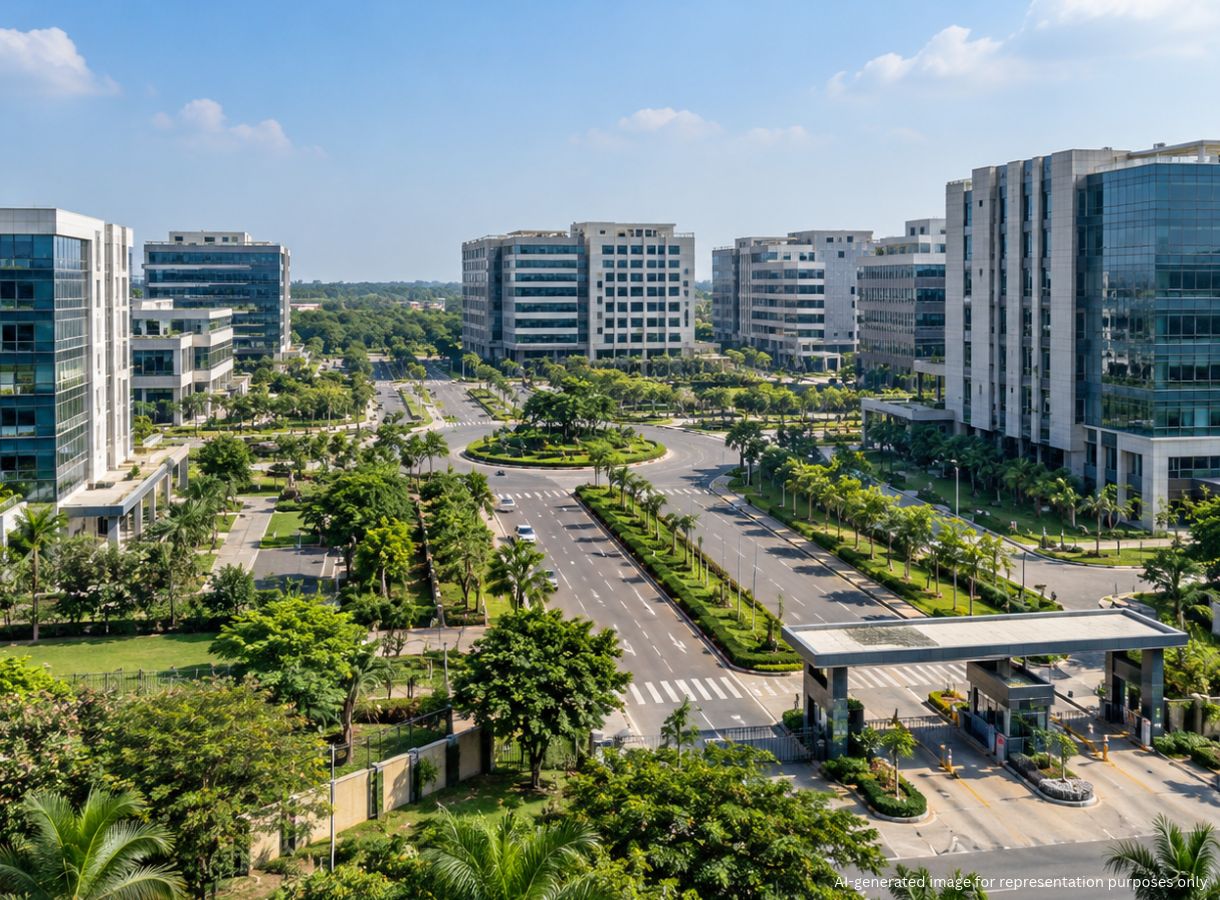
To address this, Chennai is encouraging growth in areas that already have strong transport access and urban potential. Instead of expanding only through distant suburban sprawl, the city is planning for taller buildings and more compact urban zones near metro corridors and commercial hubs.
This approach helps bring homes, workplaces, and public services closer together, reducing travel pressure across the city while making better use of available land.
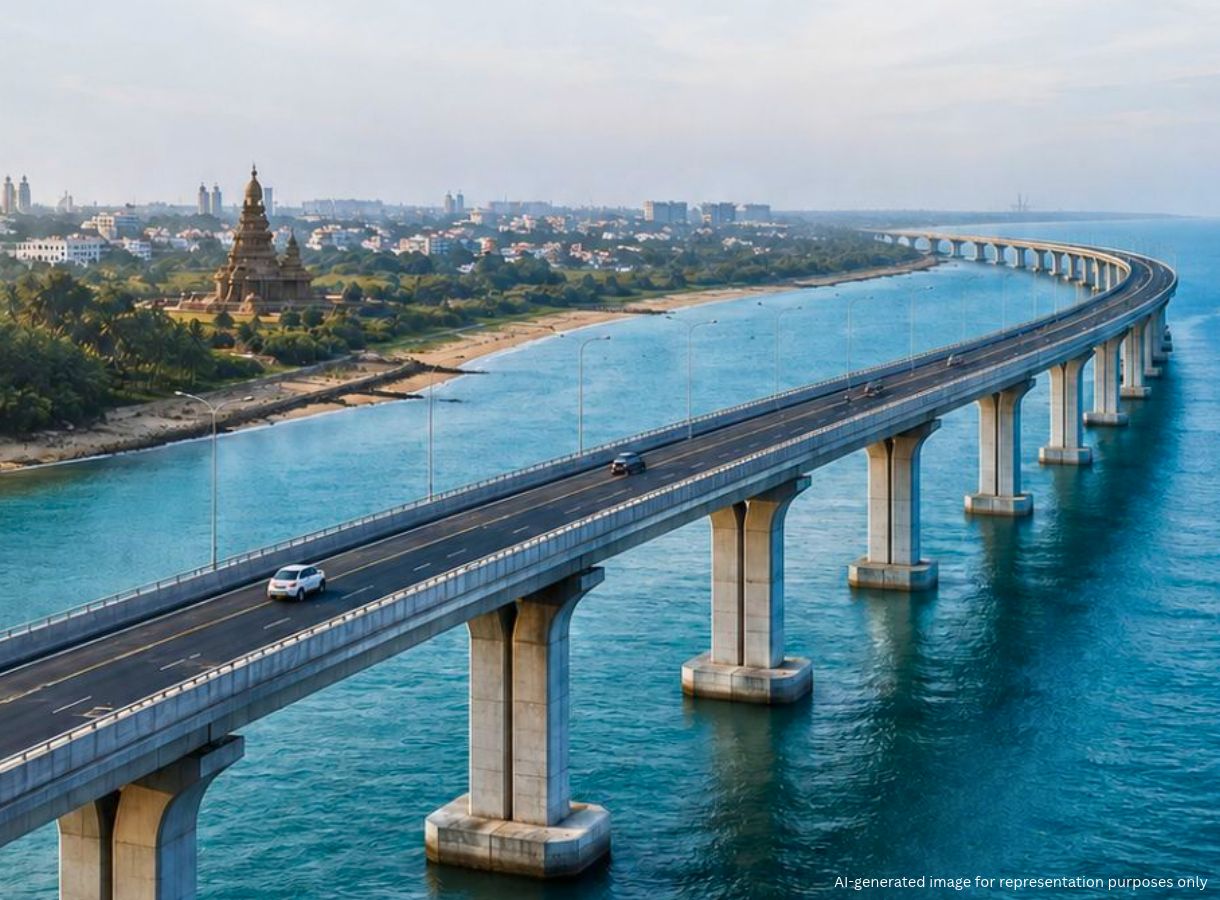
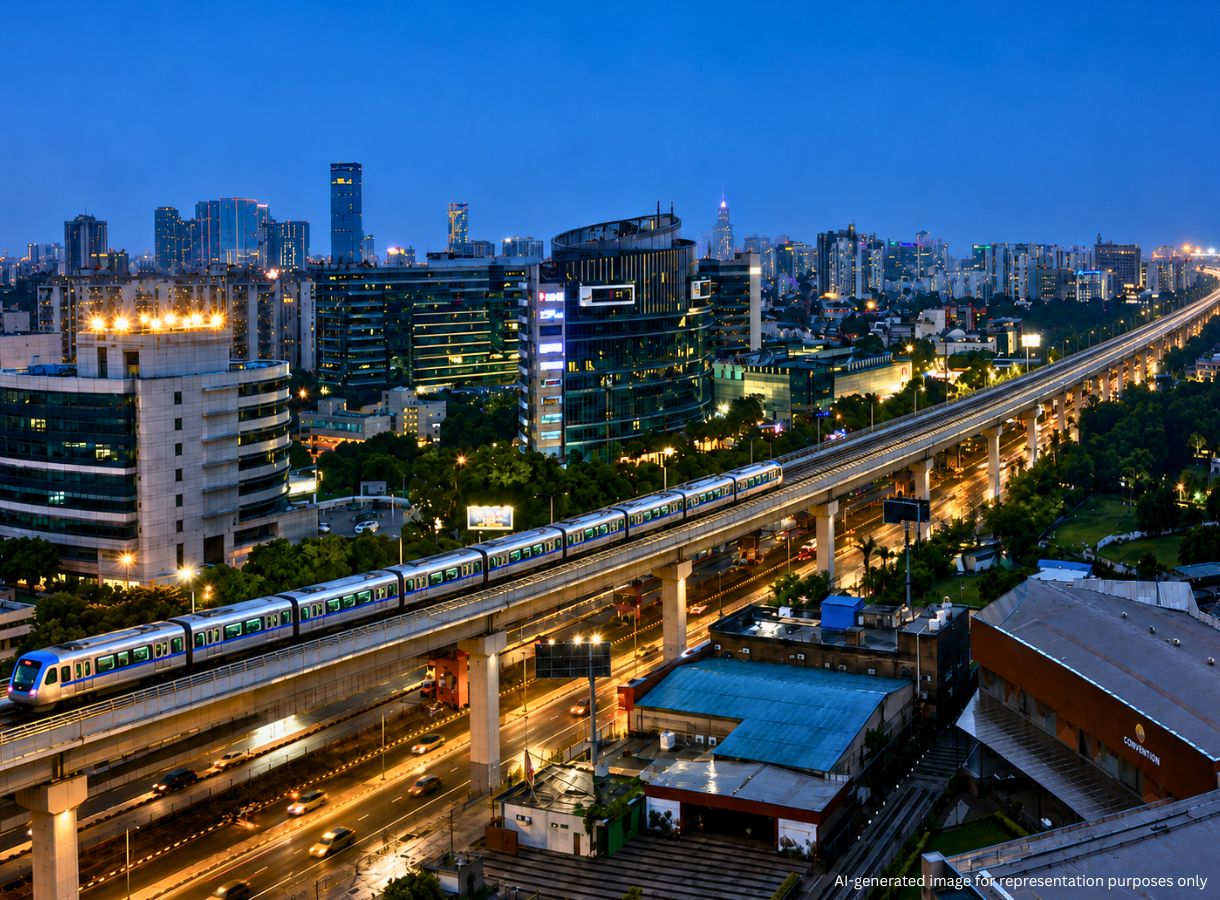
Transport infrastructure forms a major part of the city’s future planning strategy. The expansion of Chennai Metro is closely linked with the broader urban development vision outlined in the master plan.
Areas connected through metro corridors are expected to see more integrated growth patterns over time. Residential communities, offices, public spaces, and daily conveniences may gradually develop around transport networks, creating neighbourhoods that function more efficiently.
This model, often referred to as transit oriented development, supports urban mobility while also helping reduce dependence on long road based commutes.
The plan also proposes higher Floor Space Index, commonly known as FSI, in selected development zones. FSI determines how much built space can be constructed on a piece of land.
Higher FSI allows cities to grow vertically, creating more residential and commercial space within well connected locations. In Chennai’s case, this strategy is intended to support future housing demand while improving land efficiency in key urban corridors.
When managed carefully alongside infrastructure upgrades, vertical growth can help cities accommodate rising populations without expanding uncontrollably.
Urban growth cannot succeed through taller buildings alone. As more people begin living and working in concentrated areas, civic infrastructure becomes equally important.
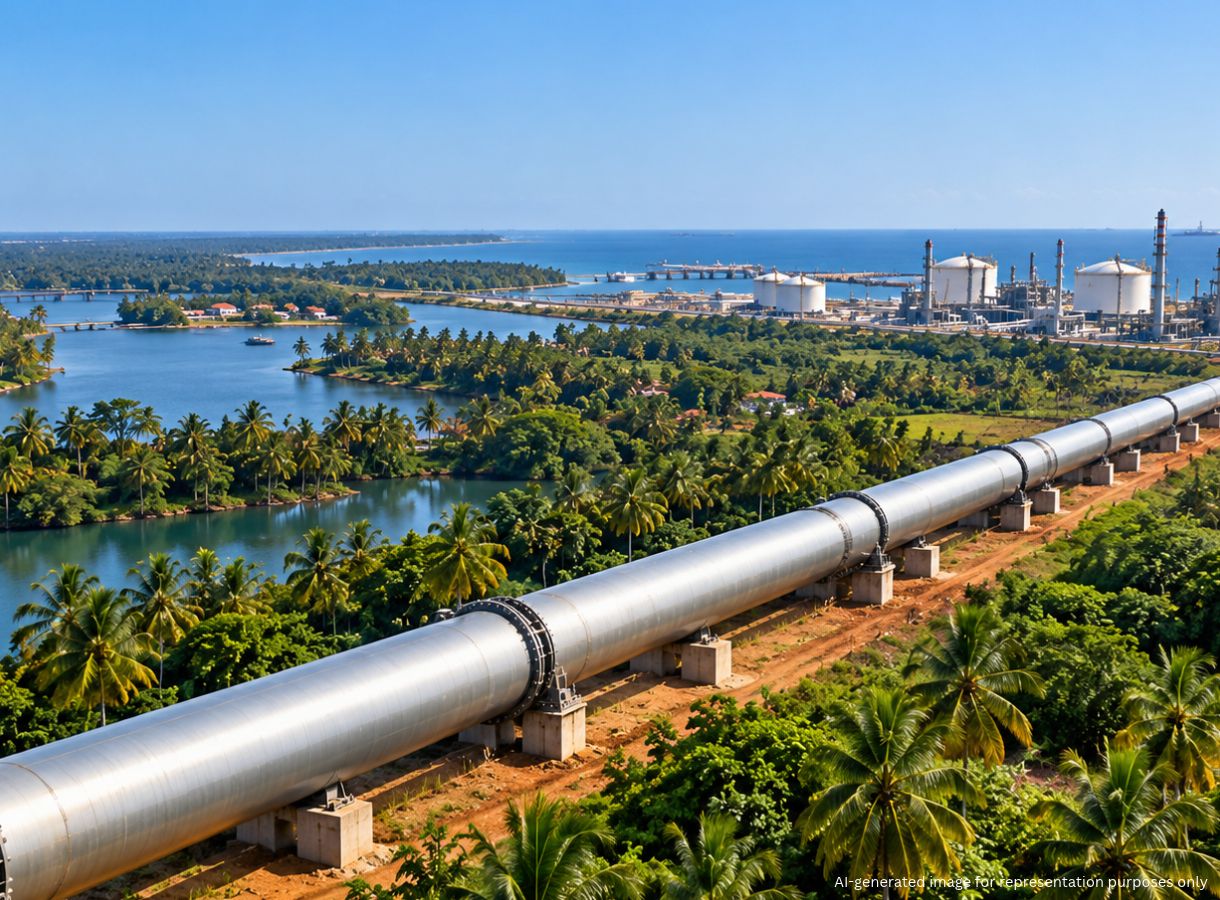
The master plan recognises this challenge by focusing on long term improvements to roads, water supply systems, sewage networks, and traffic management. The intention is not only to support expansion but also to maintain quality of life as population density increases.
Balanced development becomes especially important in rapidly growing metropolitan regions where infrastructure pressure can affect daily life if planning does not keep pace with urban expansion.
Another important aspect of the plan is the idea of mixed use development. Instead of separating residential, commercial, and institutional spaces completely, future neighbourhoods may gradually become more integrated.
This creates communities where people can live, work, study, and access essential services within shorter distances. Such planning encourages more active neighbourhoods while reducing unnecessary travel across the city.
Over time, this could reshape how different regions of Chennai function and grow.
The Third Master Plan reflects Chennai’s effort to prepare thoughtfully for long term urban growth. It is not only about new buildings or transport systems, but about creating a city that functions more efficiently for future generations.
As metro expansion, infrastructure upgrades, and vertical development continue shaping the city, Chennai appears to be moving toward a more connected and organised urban future. The changes may happen gradually, but they are likely to influence how people experience the city for many years to come.
1. What is Chennai’s Third Master Plan?
It is a long term urban planning framework designed to guide Chennai’s future infrastructure and development.
2. Why is Chennai focusing on vertical development?
Vertical growth helps optimise land use and reduce pressure caused by uncontrolled horizontal expansion.
3. What is transit oriented development?
Transit oriented development focuses on building communities around public transport systems like metro corridors.
4. How does higher FSI affect urban development?
Higher FSI allows taller buildings and more built space in well connected urban areas.
5. How can the Third Master Plan influence Chennai residents?
The plan may improve connectivity, infrastructure, urban organisation, and accessibility across the city.