The Karnataka Government is preparing a comprehensive master plan to guide Bengaluru's development through 2037. The proposed strategy focuses on strengthening the city's economy, improving transport infrastructure, expanding employment opportunities, and supporting balanced urban growth. Designed as a long-term roadmap, the plan aims to enhance Bengaluru's position as a leading global business destination while addressing the challenges created by rapid urbanisation.
The draft master plan aims to increase Bengaluru's economic output from around 149 billion US dollars to approximately 420 billion US dollars by 2037. The city already contributes more than 43 percent of Karnataka's Gross State Domestic Product, making it the state's primary economic centre. Spread across nearly 8,000 square kilometres and home to around 15 million people, Bengaluru has recorded one of the fastest urban growth rates in southern India. Between 2015 and 2025, the metropolitan region achieved an average annual growth rate of 9.7 percent, exceeding both the overall state average and several comparable metropolitan areas.
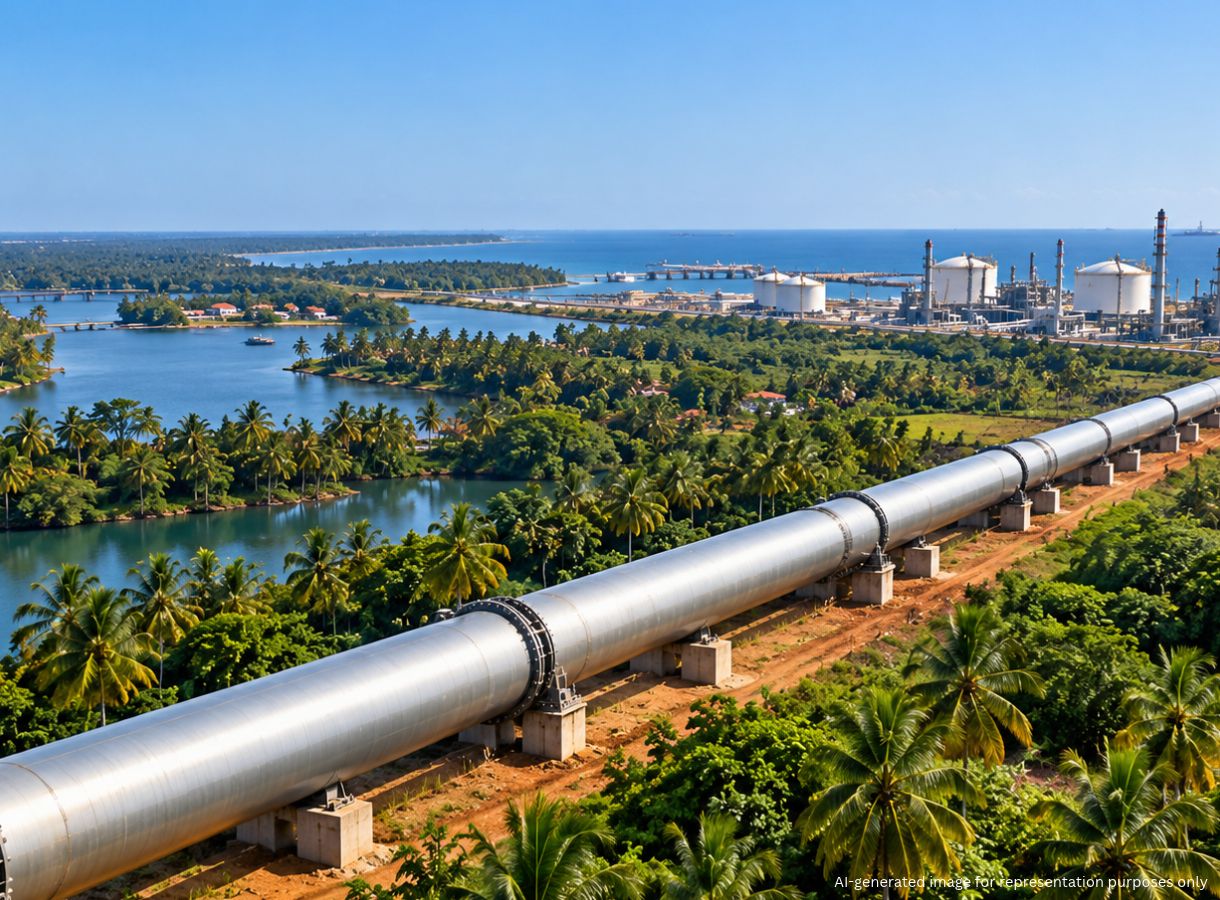
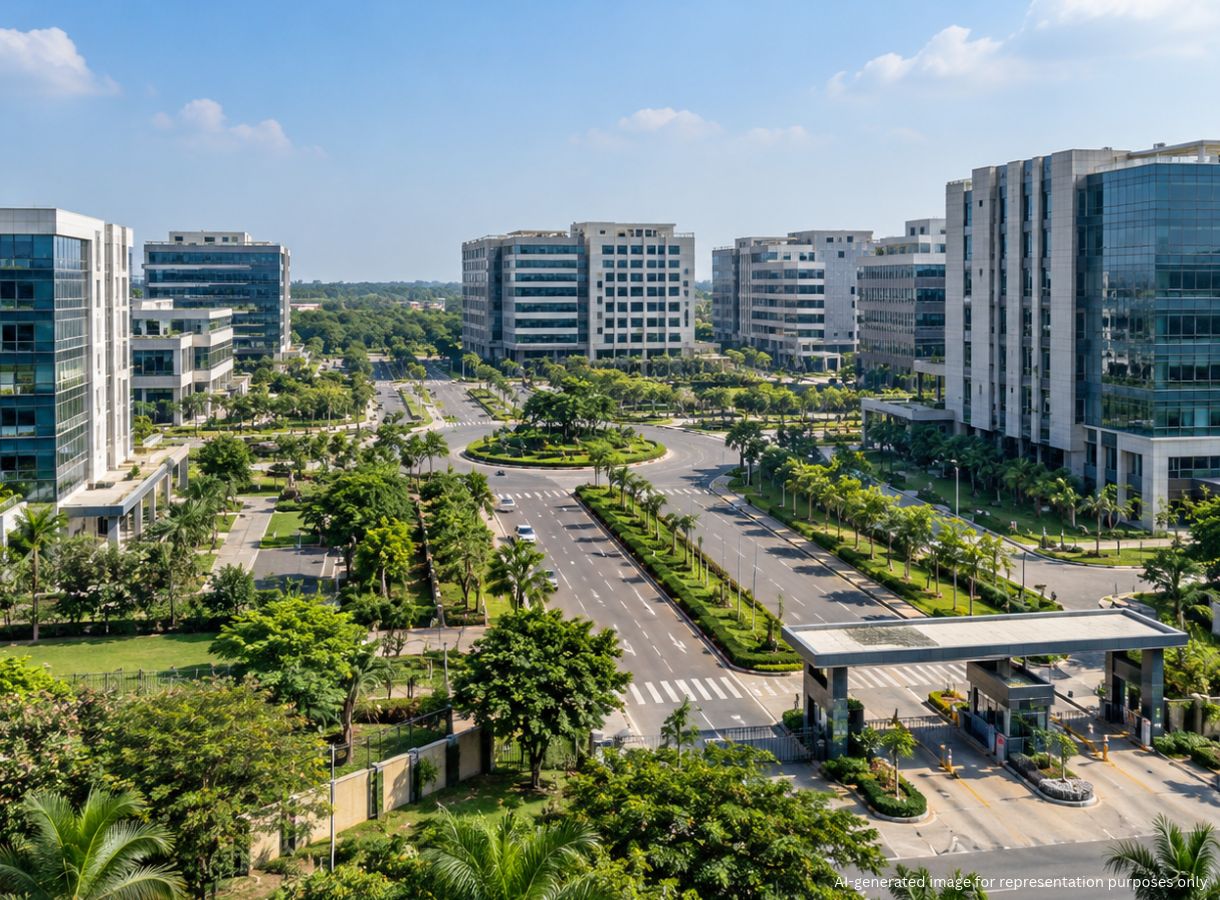
A key objective of the plan is to generate between 2.5 and 3 million new jobs over the next decade. Growth is expected across information technology, artificial intelligence, manufacturing, biotechnology, logistics, and research-based industries. To support this expansion, new growth centres are proposed beyond the existing urban limits, encouraging industries and commercial activities to expand into planned locations while reducing development pressure within the city.
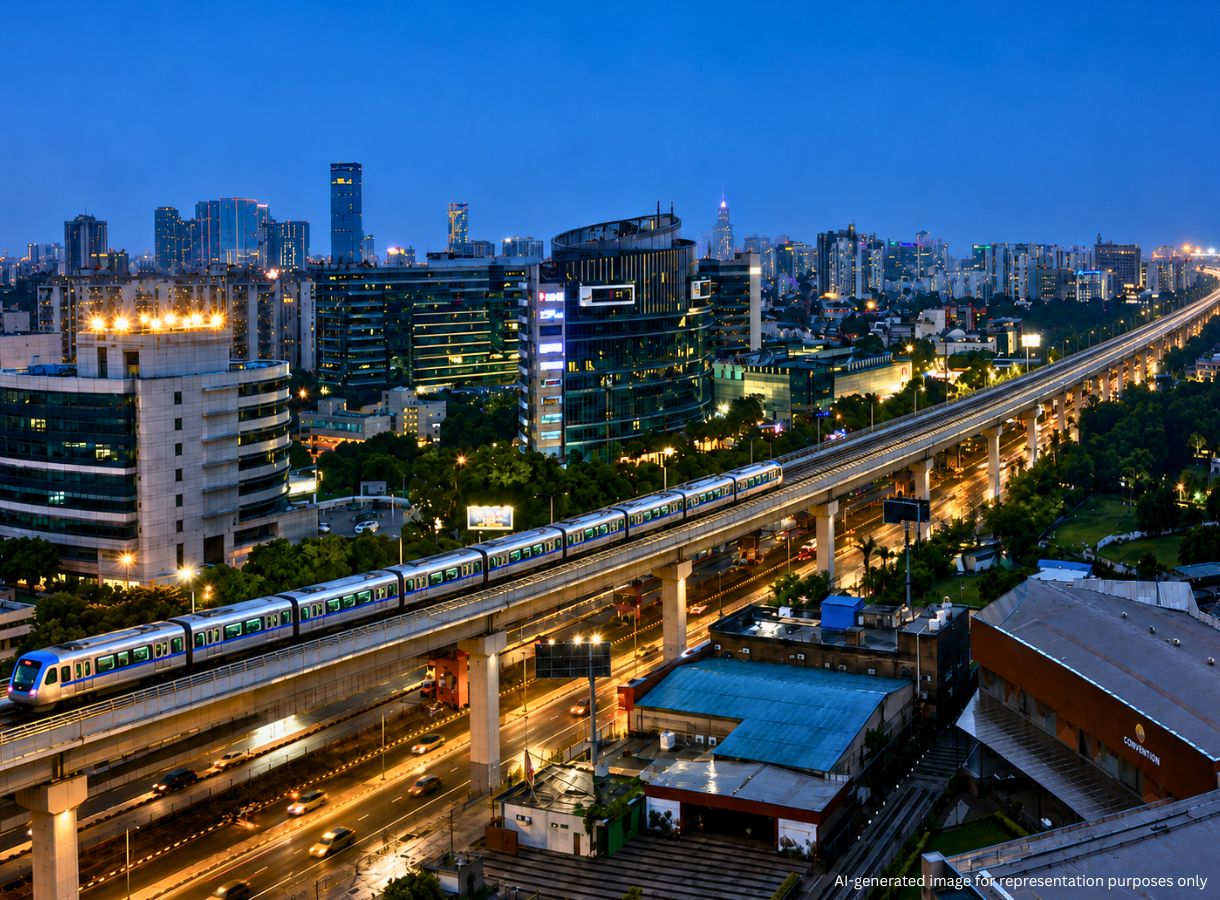
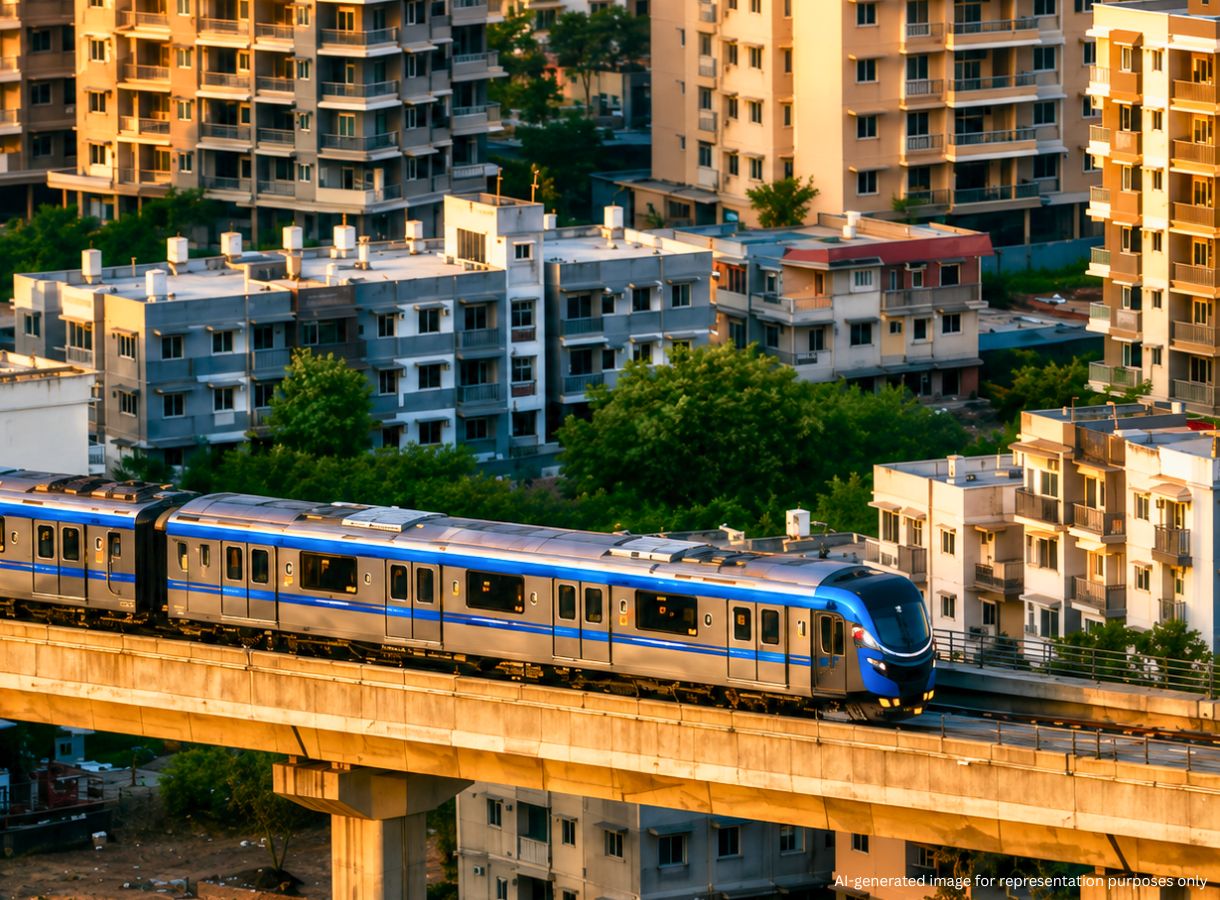
Traffic congestion remains one of Bengaluru's biggest urban challenges, making transport improvements a central part of the master plan. The proposal includes a 287-kilometre Circular Rail Network designed to improve connectivity across the metropolitan region and reduce dependence on road travel. The city is also expected to receive an additional 400 to 500 kilometres of Metro lines. Within this network, approximately 100 to 200 kilometres will consist of Greenfield Metro corridors serving newly developing areas. These projects are intended to improve public transport accessibility, reduce travel times, and support the expansion of residential, commercial, and industrial zones.
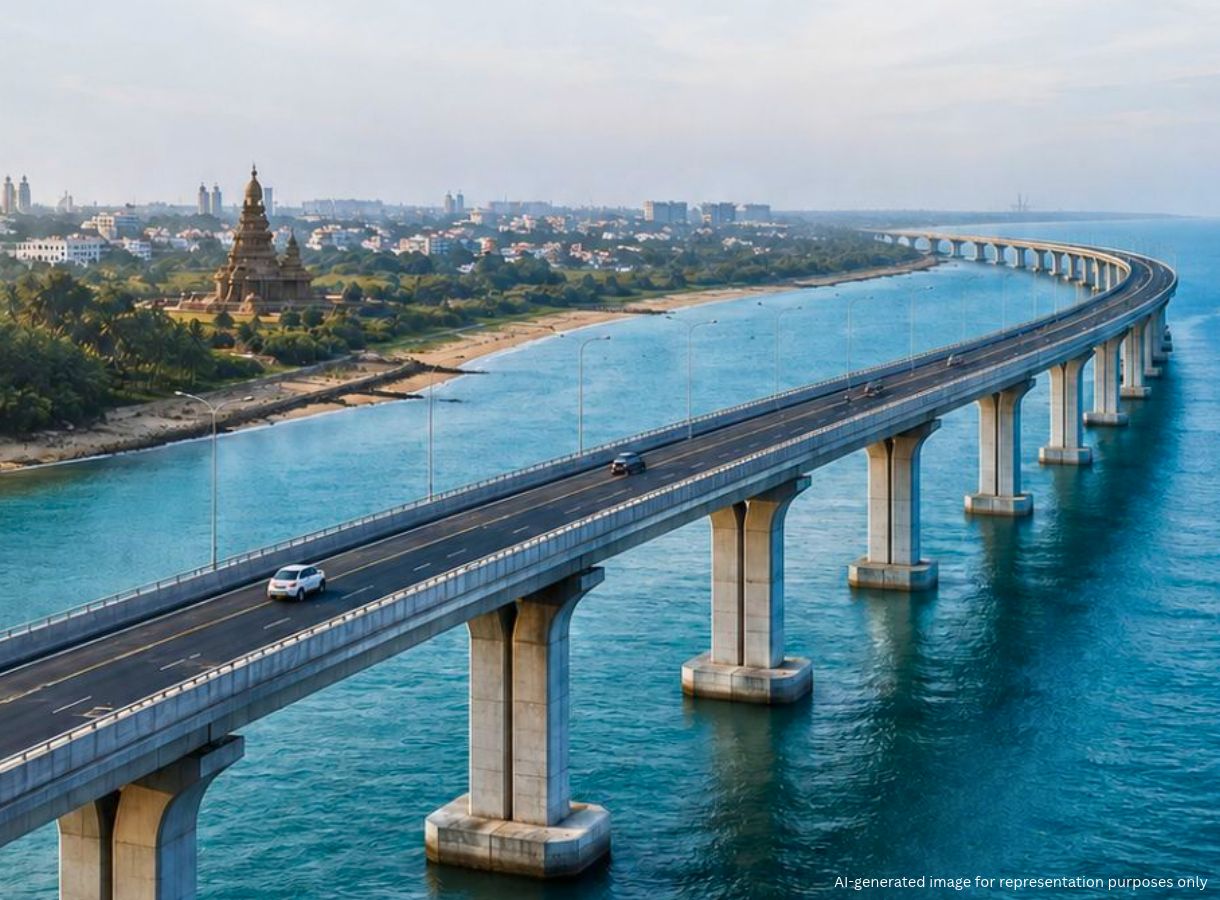
The draft also proposes Regional Rapid Transit System corridors to strengthen connections between Bengaluru and neighbouring areas. Alongside new road infrastructure, these transport investments are expected to improve mobility while supporting decentralised urban development and easier access to emerging growth centres.
The draft has completed an initial review, with further consultations planned involving industry representatives, investors, and infrastructure specialists before the document is finalised. Once approved, the master plan will provide a long term framework for economic development, transport expansion, and planned urban growth. By combining infrastructure investment with employment generation and improved regional connectivity, the strategy aims to prepare Bengaluru for sustained growth while strengthening its role as one of India's most important economic and innovation centres.
1. What is the Bengaluru Master Plan 2037?
It is a long-term development strategy focused on economic growth, transport improvements, employment generation, and planned urban expansion.
2. How many jobs could the master plan create?
The proposal aims to generate approximately 2.5 to 3 million new employment opportunities over the next decade.
3. What transport projects are included in the plan?
The plan proposes a 287-kilometre Circular Rail Network, 400 to 500 kilometres of Metro expansion, Greenfield Metro corridors, Regional Rapid Transit System corridors, and new road infrastructure.
4. Why are new growth centres proposed?
They are intended to distribute development beyond the city centre, improve regional balance, and reduce pressure on existing urban areas.
5. What is the overall objective of the master plan?
The strategy aims to strengthen Bengaluru's economy, improve connectivity, support sustainable urban growth, and enhance the city's global competitiveness.