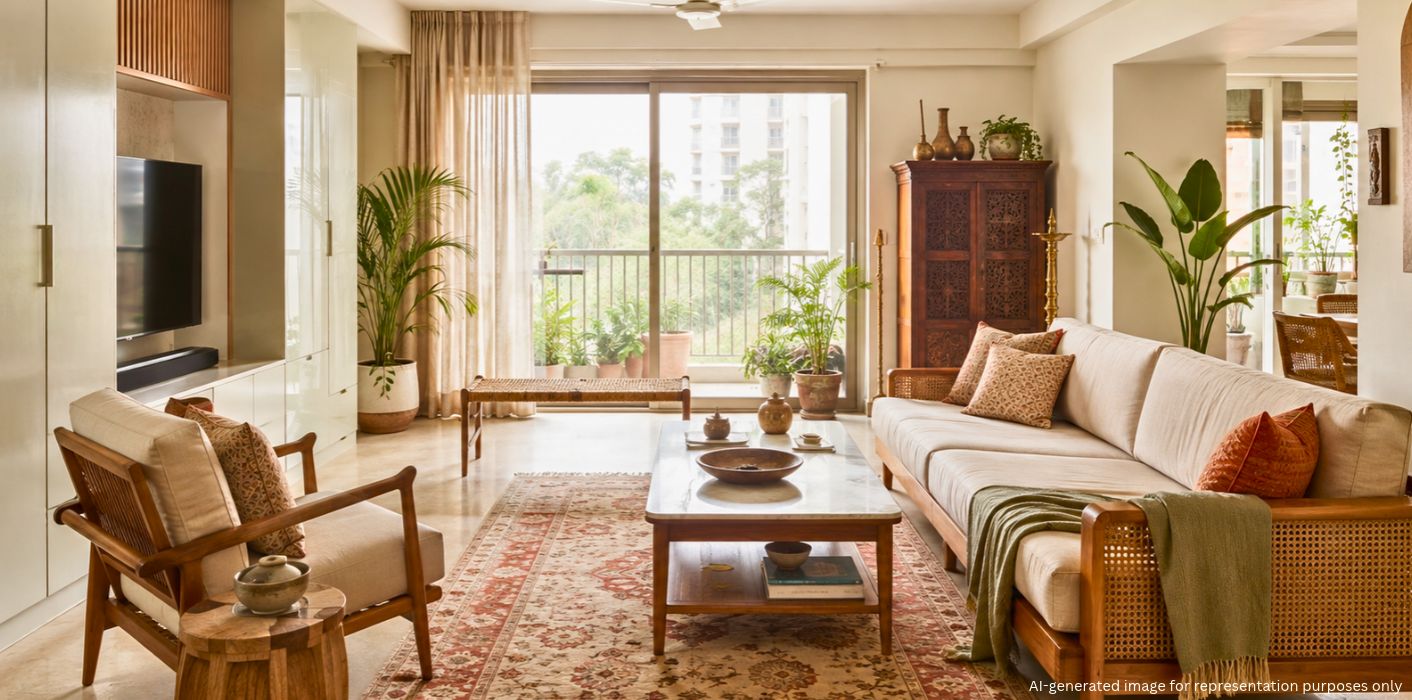
Walk into different Indian homes and you will notice how differently similar spaces can feel. Some are calm and uncluttered, while others use vintage pieces, layered textiles or bold finishes. Today’s trending Interior Design Styles in India are increasingly being adapted to everyday life rather than copied directly from online inspiration.
Space, climate, natural light, maintenance and household need all influence which style works best. Here are the top trending interior designs that are worth trying out.
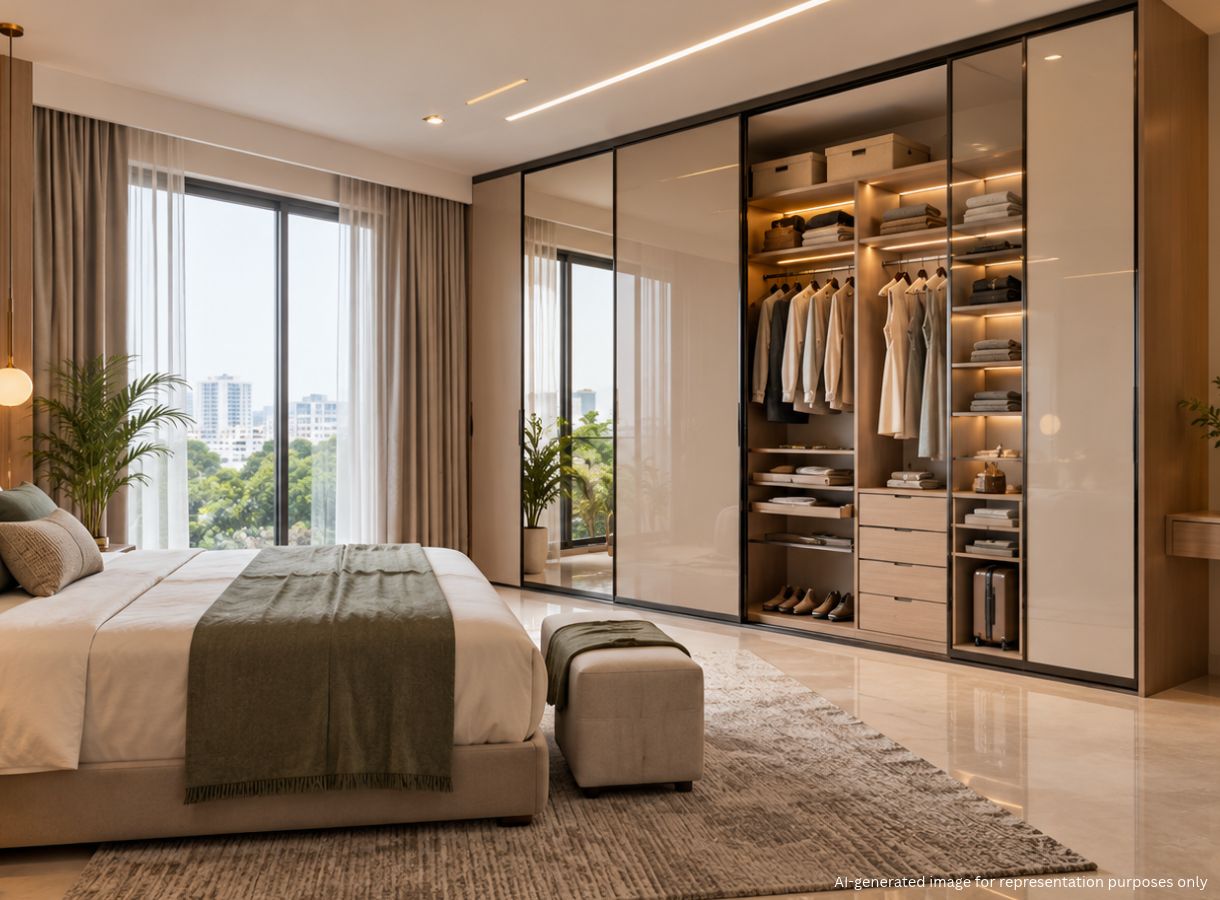
Minimalist interiors focus on clean lines, open space, neutral colours and concealed storage. Multifunctional furniture and natural light help make compact homes feel more organised and spacious. For Indian residents managing busy routines or limited storage, minimalism can also reduce everyday maintenance. The focus is on keeping only what is useful while allowing important pieces to stand out.
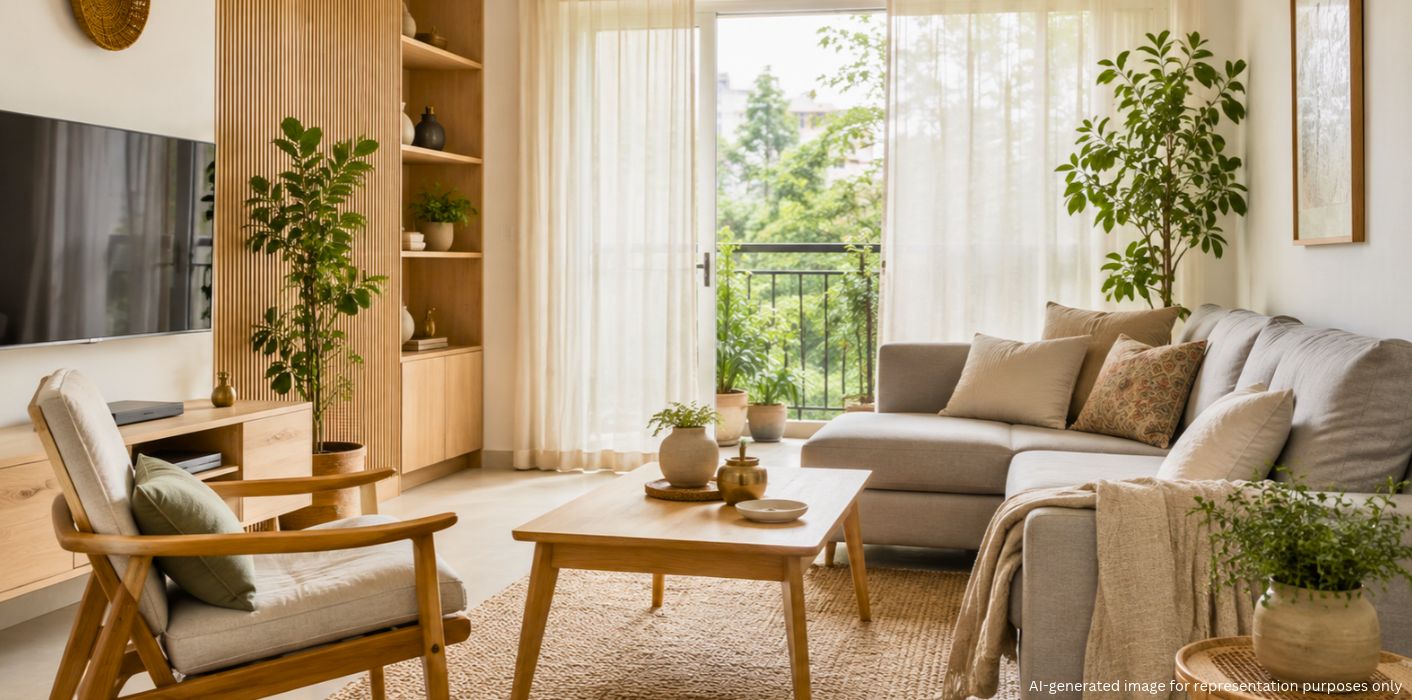
Scandinavian interiors use light colours, natural materials and practical furniture to create bright, uncluttered spaces. Light wood, soft whites, muted shades and natural textiles are common features. The style suits compact homes because multifunctional furniture and simple layouts make efficient use of space. Indian textiles, brass accents or patterned cushions can add warmth without disturbing its clean character.
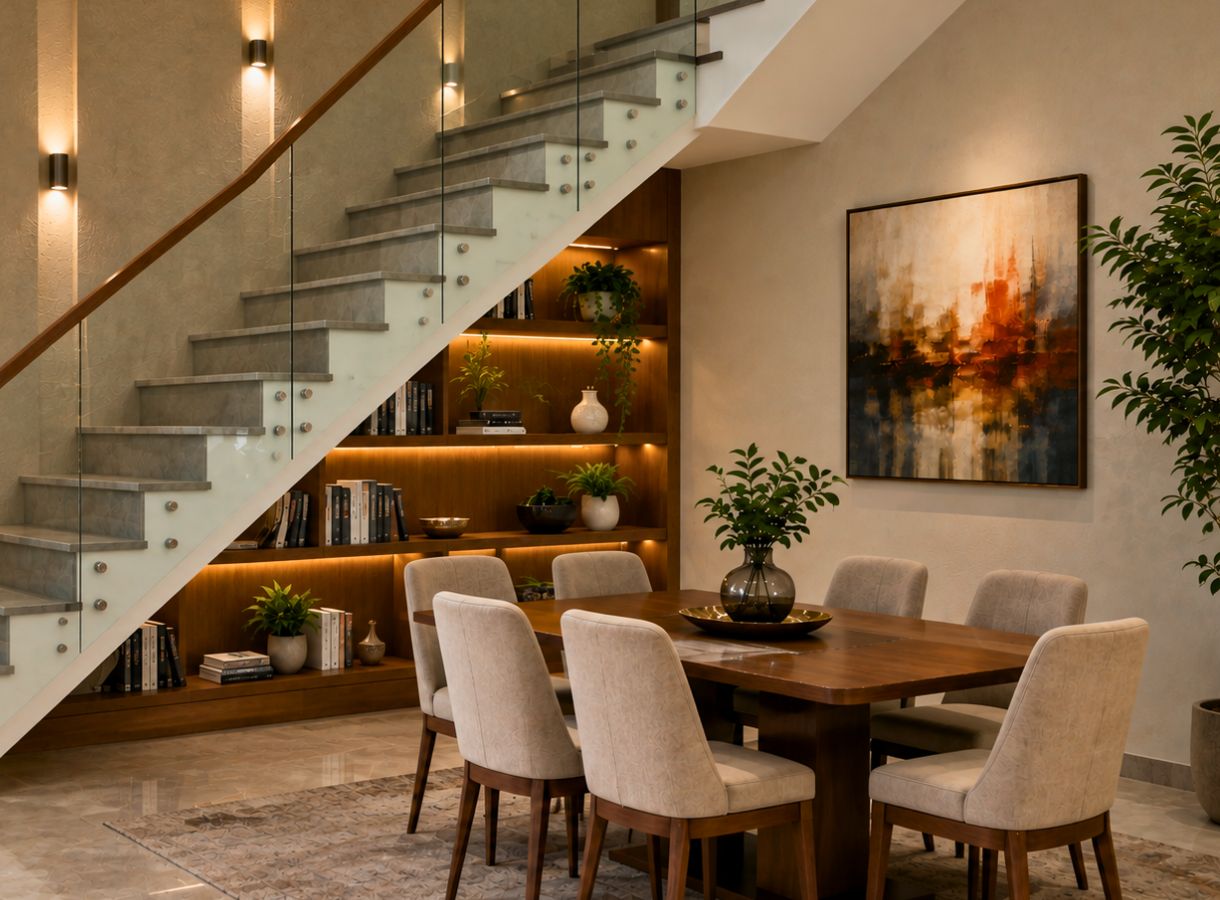
Contemporary interiors combine clean forms with different materials, textures and finishes. Glass, engineered wood, mixed metals, modular furniture and integrated technology can work together without following a rigid formula. This makes contemporary design suitable for changing lifestyles. Furniture and layouts can adapt to work, family and entertainment needs, while a neutral base allows smaller elements to evolve.
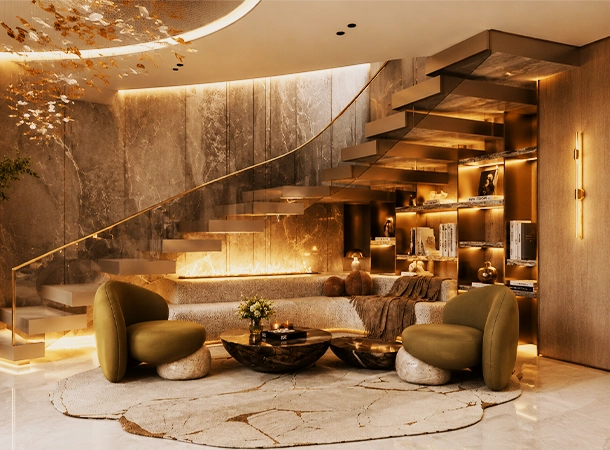
Luxury interiors create a sophisticated atmosphere through carefully selected materials, lighting and statement features. Marble or marble-look surfaces, metallic accents, elegant furniture and layered lighting are common choices. The approach does not require excessive decoration. A few well-placed focal elements, combined with balanced textures and lighting, can create a polished space without making it feel crowded.
Japandi combines Japanese simplicity with Scandinavian warmth. Soft whites, beige, natural wood, bamboo, linen, ceramics and subtle green tones create a calm setting. Its uncluttered approach can also support quiet activities such as reading, yoga or meditation. Natural light, ventilation and functional furniture reinforce its focus on comfortable, simple living.
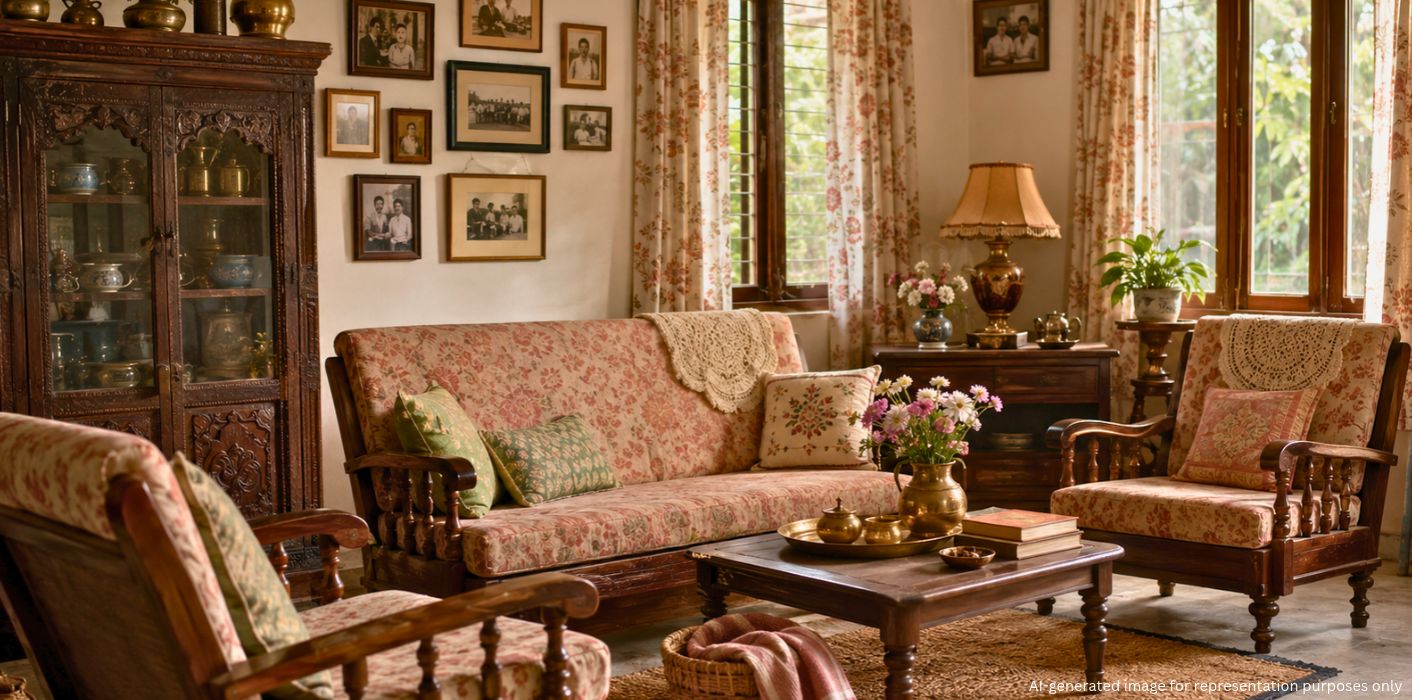
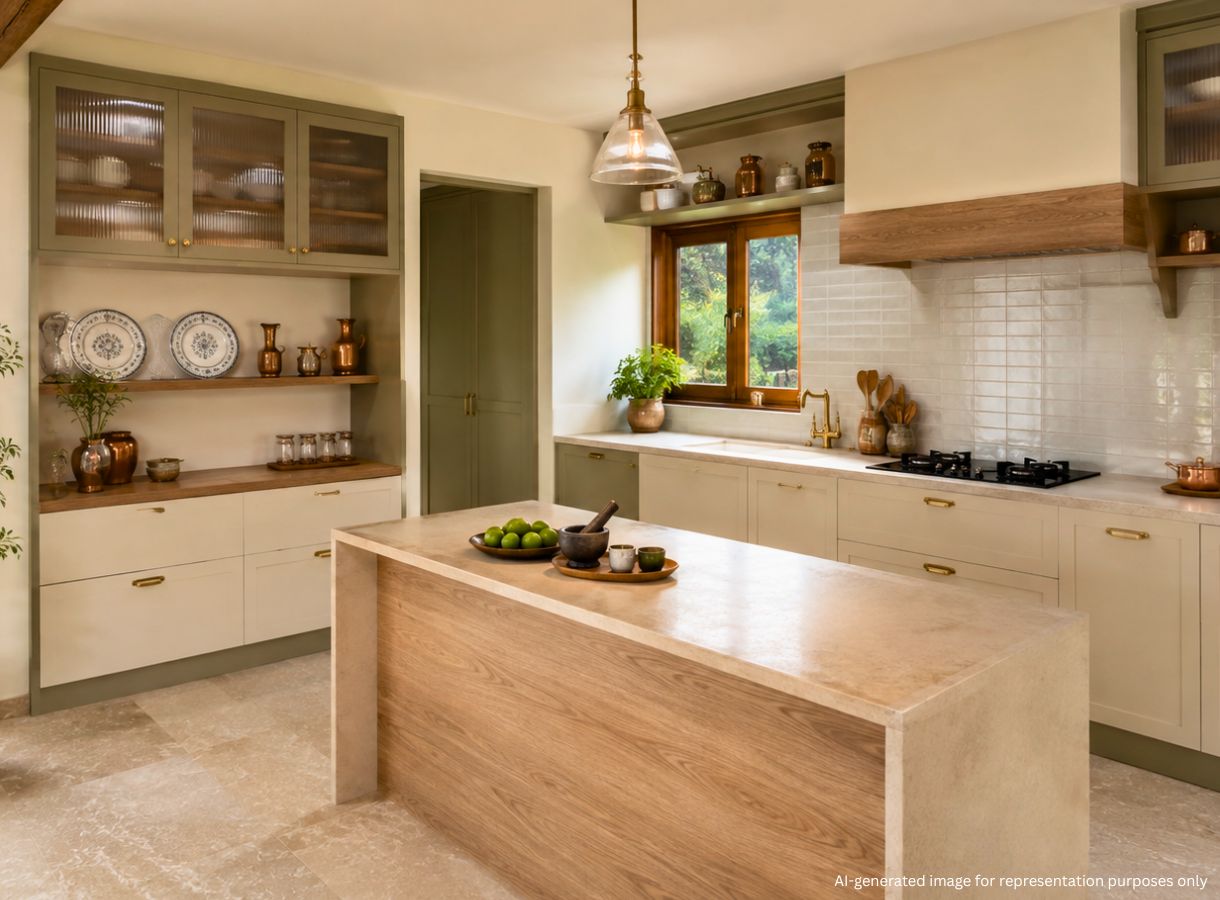
Grandmacore brings the warmth of older homes into contemporary spaces. Vintage patterns, comfortable seating, handmade objects, family heirlooms and traditional furniture create a familiar, lived-in character. It works especially well where inherited pieces carry emotional value. Combining these with modern furniture allows to preserve family connections while keeping the home comfortable for present-day living.
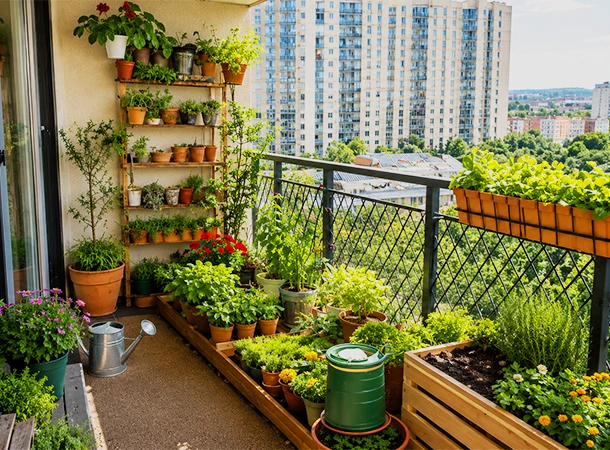
Bohemian interiors use rugs, plants, handcrafted décor, varied patterns and layered textiles to create a relaxed atmosphere. Unlike highly controlled styles, they allow different objects and materials to reflect personal interests. A consistent colour palette or material connection can help maintain balance, especially when several patterns are used together.
Industrial interiors highlight raw materials and structural features through exposed brick, metal, concrete-like finishes, earthy colours and practical lighting. Repurposed furniture can add further character. The harder surfaces can be softened with wood, textiles and warm lighting. This creates a more comfortable interpretation of the unfinished industrial look.
The Home Interior Design Styles that work best are those that support everyday routines. Consider room size, existing furniture, storage, natural light, ventilation, cleaning habits and the needs of children or pets before selecting a style.
Climate is equally important. In warmer conditions, lighter materials, breathable layouts and good ventilation can improve comfort. Design should also account for how much maintenance a particular finish or furnishing requires. The Popular interior design approach is not always the most suitable one for every home. Trends can provide inspiration, but practicality should guide the final choice.
The best interior is not necessarily the one that looks most impressive in a photograph. It is the one that feels comfortable, functions well and remains practical as everyday needs change.
Interior trends can offer direction, but a home becomes more meaningful when design choices reflect its occupants, routines and heritage. A balanced approach to style, comfort and function can create a space that remains useful even as trends change.