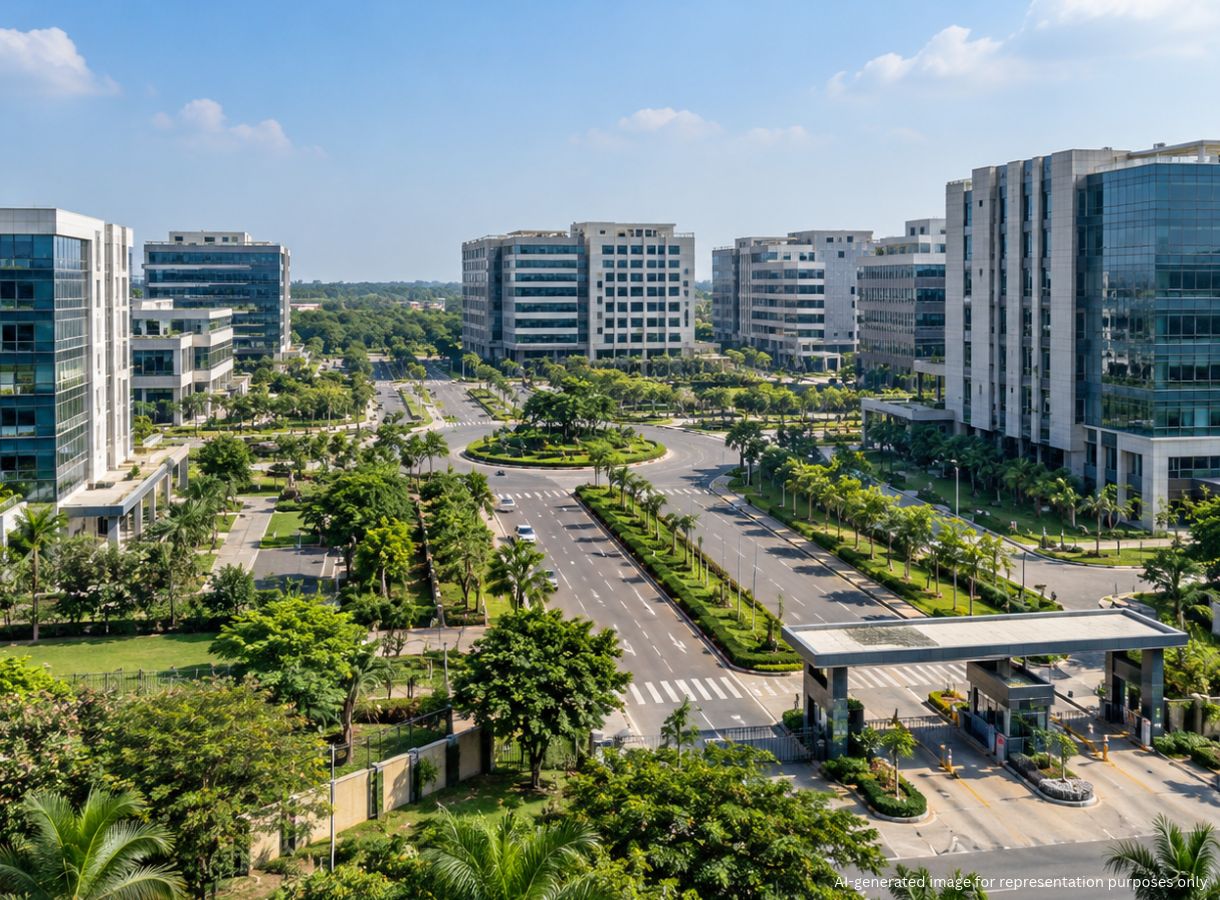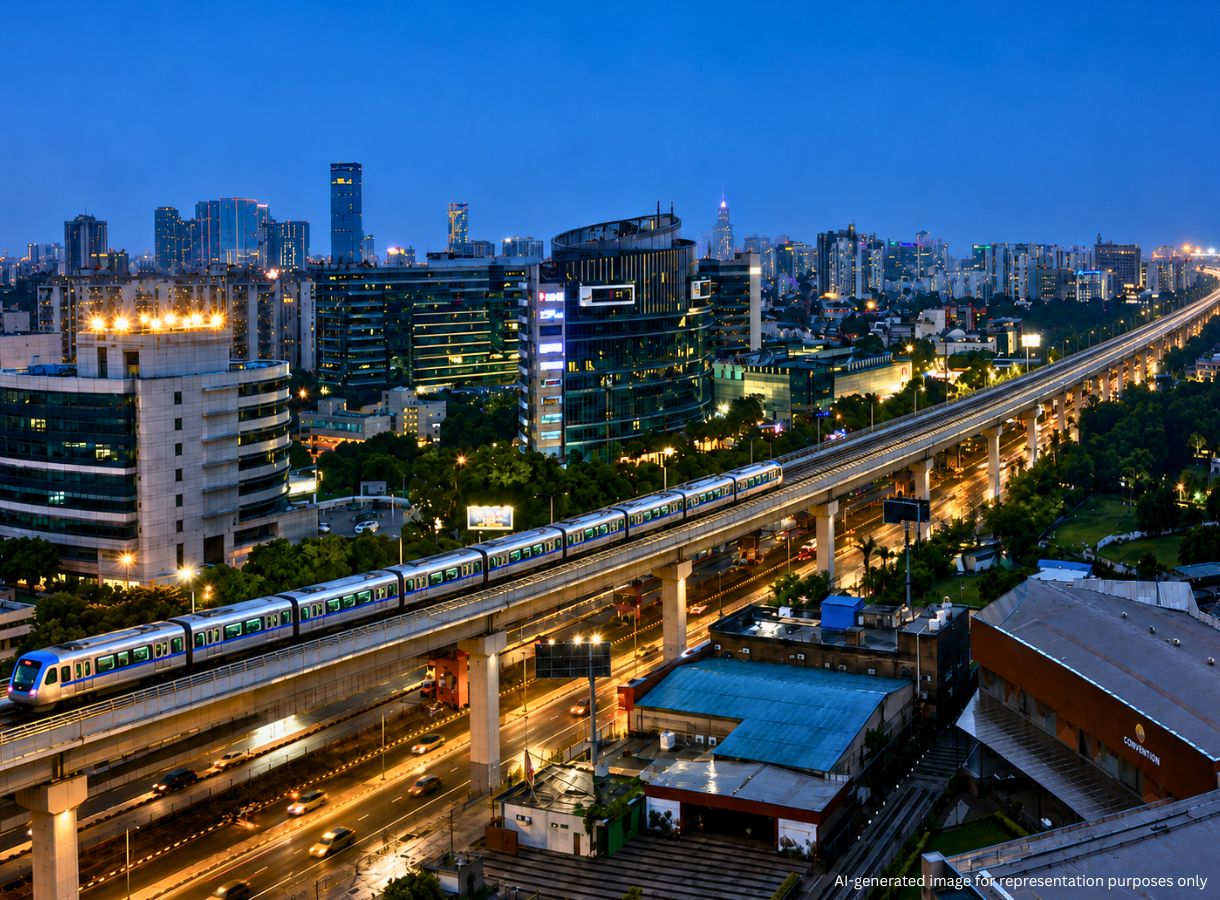
India’s Global Capability Centre ecosystem is entering a new phase of growth. For many years, large metropolitan cities remained the preferred choice for global companies building technology and operations hubs. Today, that pattern is slowly changing as tier 2 cities begin attracting serious attention from businesses looking for sustainable and efficient expansion opportunities.
Cities such as Mangalore, Bhopal, and Aurangabad are steadily emerging as promising destinations for GCC development. Instead of functioning only as secondary locations, these cities are now becoming active contributors to India’s growing technology landscape. Improved infrastructure, expanding educational ecosystems, and supportive state policies are helping them gain recognition among companies planning long term operations in the country.
One of the biggest reasons behind this shift is operational flexibility. Metro cities continue to offer strong business ecosystems, but increasing costs and growing congestion have encouraged companies to explore alternatives that provide better efficiency without compromising talent access.
Tier 2 cities present a balanced environment where businesses can operate more comfortably while employees enjoy a healthier lifestyle. Lower living expenses, shorter commute times, and less crowded urban spaces are attracting both experienced professionals and young graduates. Many employees are also showing interest in working closer to their hometowns, creating a more stable workforce for companies entering these regions.
This changing preference is gradually reshaping the way organisations plan their expansion strategies across India.
Another major factor supporting GCC growth in tier 2 cities is the availability of skilled professionals. Educational institutions across smaller cities are producing graduates with strong technical and digital capabilities, making these regions increasingly attractive for technology focused operations.
Companies are not only establishing traditional support centres but are also creating smaller specialised teams focused on research, innovation, analytics, and artificial intelligence driven work. These compact operations, often referred to as nano GCCs, are helping businesses build agile and focused teams while maintaining operational efficiency.
The growing number of employment opportunities in these cities is also contributing to local economic development. As more professionals choose to remain in smaller cities, local ecosystems continue strengthening through improved infrastructure, housing demand, and service sector growth.
State governments are playing an important role in encouraging this transformation. Several states have introduced dedicated policies and incentives to attract GCC investments into emerging cities. These efforts focus on improving infrastructure, supporting technology parks, and creating business friendly environments that encourage long term growth.
Initiatives aimed at expanding opportunities beyond traditional metro regions are already generating employment and attracting new investments. Government support has helped improve confidence among businesses that are considering tier 2 locations for future expansion plans.
These developments show that the movement toward smaller cities is not happening by chance. Instead, it is part of a structured and carefully supported growth strategy.
Although metro cities still dominate India’s GCC landscape, tier 2 cities are steadily becoming valuable complementary hubs. Most companies are currently starting with smaller teams rather than shifting entire operations, showing that this transition is gradual and carefully planned.
Lower employee attrition, improving infrastructure, and growing talent availability continue to strengthen the appeal of these cities. As businesses search for sustainable expansion models, tier 2 cities are likely to play an increasingly important role in shaping the future of India’s technology and innovation ecosystem.
1. What is a Global Capability Centre or GCC?
A GCC is an offshore business centre that manages technology, operations, analytics, and support services for global companies.
2. Why are tier 2 cities attracting GCC investments?
Tier 2 cities offer lower operational costs, skilled talent, improved quality of life, and supportive government policies.
3. What are nano GCCs?
Nano GCCs are smaller specialised centres that focus on advanced work such as innovation, analytics, and artificial intelligence projects.
4. Are metro cities losing importance for GCCs?
No, metro cities continue to lead the sector, but tier 2 cities are growing as strong supporting hubs.
5. How do government policies support GCC expansion?
State governments encourage GCC growth through infrastructure development, investment incentives, and dedicated technology initiatives.