
Home loans can meet different property-related needs, depending on whether you want to buy, build, renovate or extend a house. The types of home loans in India include options for purchasing a home or plot, constructing a house, improving an existing property and adding more space. Other options can help borrowers transfer an existing loan, access additional funds, buy a new property while waiting to sell the current one, or purchase property in India as an NRI. PMAY loans provide a subsidised option under a government-supported housing scheme. As secured loans, home loans use the property as collateral and can extend for up to 30 years.
A home purchase loan is used to buy a residential property that is pre-owned, pre-built or under construction. Banks and financial companies may provide around 80%–90% of the property's price as a loan.
A plot loan helps finance the purchase of land intended for building a house. Depending on the loan arrangement, it may also cover the funds needed to construct the house.
NRI home loans are designed for non-resident Indians who want to invest in or purchase property in India.
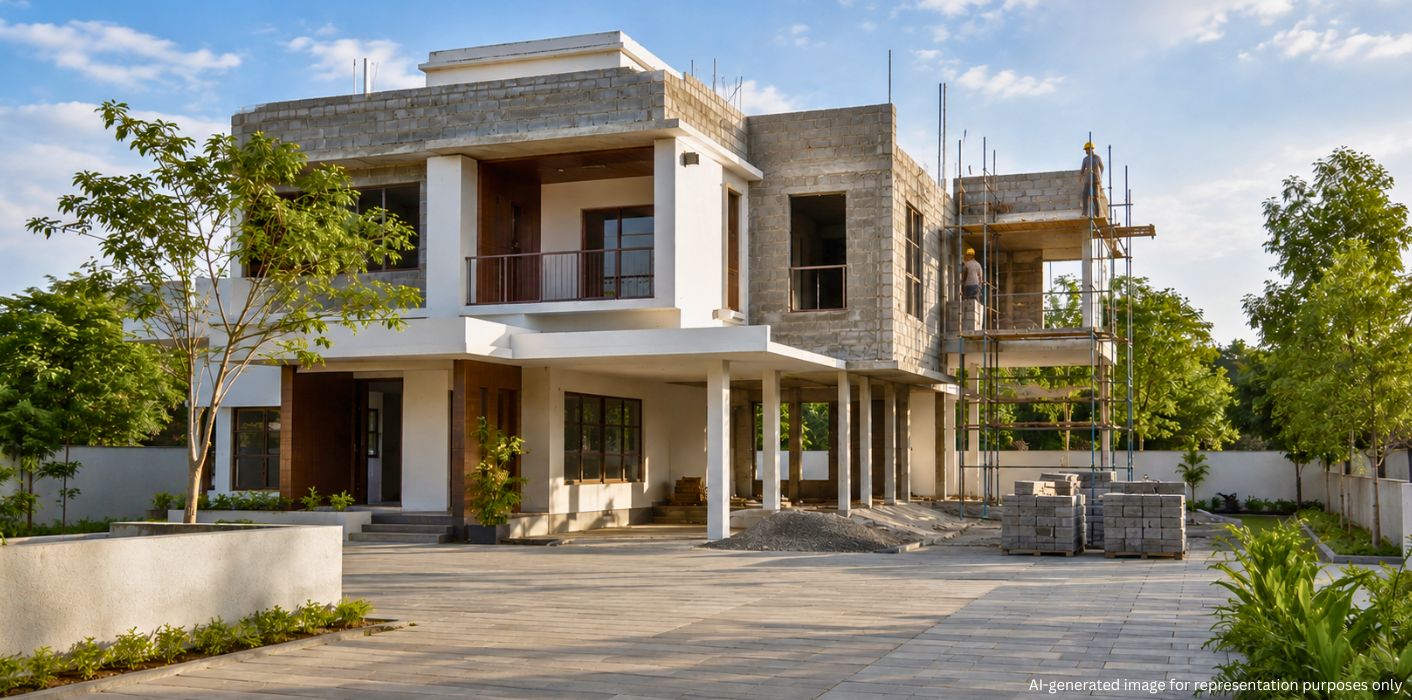
This loan is suitable for people who already own a plot and need funds to build a house. The amount is generally released in instalments as construction progresses.
A home extension loan provides funds to increase the size of an existing house. It can be used to add a room or another floor to the property.
A home improvement loan can finance renovation and upgrading work in an existing house. This may include painting, interior or exterior work, plumbing, electrical upgrades and ceiling waterproofing.
A home loan top-up provides additional borrowing beyond the amount originally disbursed. Borrowers who have been paying their EMIs on time may receive this facility after a few months or years. The additional funds can be used for investment in the house.
A balance transfer allows a borrower to move their outstanding home loan to another lender. This may be considered when the existing interest rate is high or the borrower is dissatisfied with the lender's service. Before transferring the loan, factors such as the new interest rate, processing charges and transfer charges should be considered.

A short-term bridged home loan can help fund the purchase of a new property while the borrower waits to sell their existing property. This provides temporary funding without requiring the existing home to be sold immediately.
Pradhan Mantri Awas Yojana (PMAY) home loans are linked to a government-supported subsidised housing scheme. According to the source information, they are available to rural and urban candidates through most nationalised banks.
The different types of home loans in India address specific housing requirements. A borrower may need financing to purchase a ready or under-construction property, acquire a plot, construct or extend a house, renovate an existing home or obtain additional funds. Other options support loan transfers, buying a new property before selling an existing one, and property purchases by NRIs. Understanding the purpose of each loan can help borrowers identify the option relevant to their housing need.