Buying a home is about more than choosing the right location or amenities. It is about finding a space that truly fits your lifestyle and future plans. Yet many homebuyers focus on the advertised size of an apartment without fully understanding what those numbers actually represent. Terms like carpet area, built up area, and super built up area can significantly impact the value you receive, making it essential to know exactly what you are paying for before making a decision.
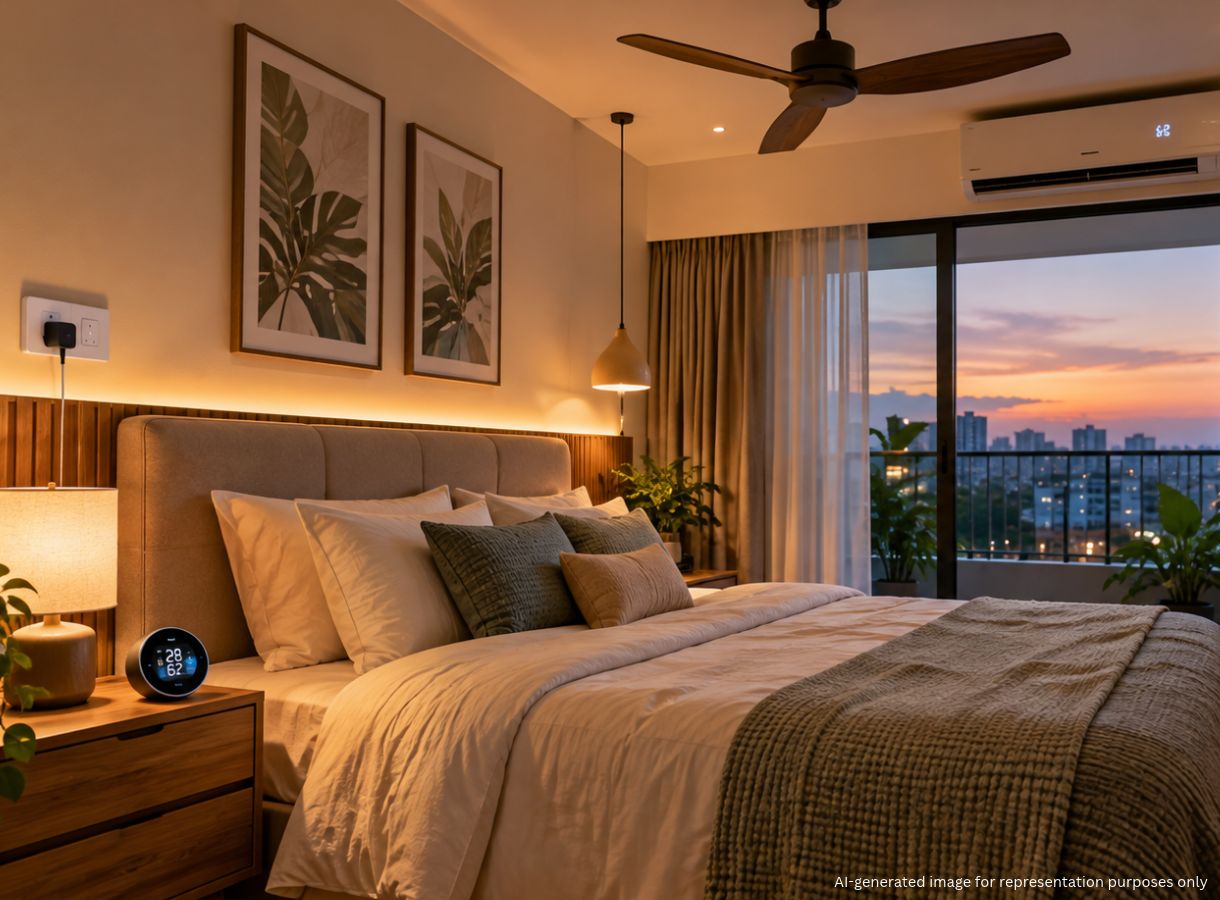
Among all apartment measurements, carpet area is the most important for homebuyers. It refers to the actual usable floor space inside the apartment. This includes bedrooms, living rooms, kitchens, bathrooms, and any internal passages within the home.
In simple terms, carpet area is the space where you can comfortably place furniture, walk around, and carry out daily activities. It excludes external walls, balconies, terraces, service shafts, and common areas shared with other residents. Since this represents the area you actively use every day, it provides the most realistic picture of the apartment's livability.
Following regulatory reforms, carpet area has become the standard measurement for property transactions, offering greater transparency to buyers.
Built up area is broader than carpet area. It includes the carpet area along with the thickness of internal and external walls. In many projects, balconies and utility spaces are also included within the built up area calculation.
As a result, the built up area is always larger than the carpet area. While it gives a sense of the apartment's overall footprint, it does not accurately represent the space available for daily living. Buyers often notice a significant difference between the advertised size and the actual usable area because of this distinction.
Understanding built up area helps buyers evaluate how much of the apartment's total size is occupied by structural elements rather than functional living space.
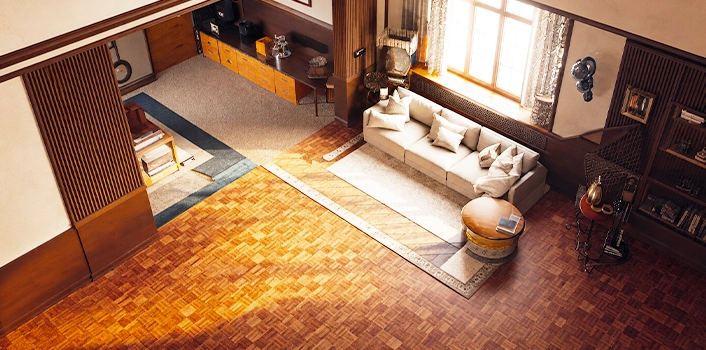
Super built up area is the largest measurement used in residential projects. It includes the built up area along with a proportionate share of common amenities and shared spaces within the development.
These shared spaces may include corridors, staircases, lift lobbies, clubhouses, fitness centers, reception areas, and other community facilities. Developers often use super built up area for marketing and pricing purposes because it presents a larger figure.
Although residents benefit from these amenities, they do not have exclusive ownership or direct use of the entire allocated space. This is why relying solely on super built up area can sometimes create unrealistic expectations about the size of an apartment.
Apartment measurements directly influence comfort, functionality, and property value. Two apartments may appear similar in advertised size, yet their carpet areas can vary considerably. This difference affects how spacious a home feels and how effectively it accommodates furniture and daily activities.
Pricing can also be impacted by measurement methods. Properties are often quoted based on built up or super built up area, making it essential for buyers to calculate the value they are receiving in terms of actual usable space.
A larger carpet area generally provides better practicality and long term satisfaction, especially for families seeking comfortable living environments.
Choosing a home goes beyond comparing square footage figures. Buyers should carefully review carpet area, built up area, and super built up area before making a purchase. Understanding these measurements allows for more accurate comparisons between projects and ensures that expectations align with reality.
A well designed apartment with an efficient layout and a generous carpet area often delivers greater comfort than a larger apartment with excessive common space allocations. By focusing on the measurements that truly matter, homebuyers can make confident decisions and secure better value for their investment.
1. What is carpet area in an apartment?
Carpet area is the actual usable floor space inside a home, including bedrooms, living rooms, kitchens, and bathrooms.
2. Is carpet area smaller than built up area?
Yes. Built up area includes carpet area along with wall thickness and certain additional structural spaces.
3. What is included in super built up area?
Super built up area includes built up area plus a proportionate share of common facilities such as corridors, lifts, and clubhouses.
4. Which area should buyers focus on before purchasing a home?
Buyers should primarily focus on carpet area because it represents the space they can actually use.
5. Why is carpet area important for property comparison?
Carpet area helps compare the true usable space across different projects and provides a clearer understanding of value for money.