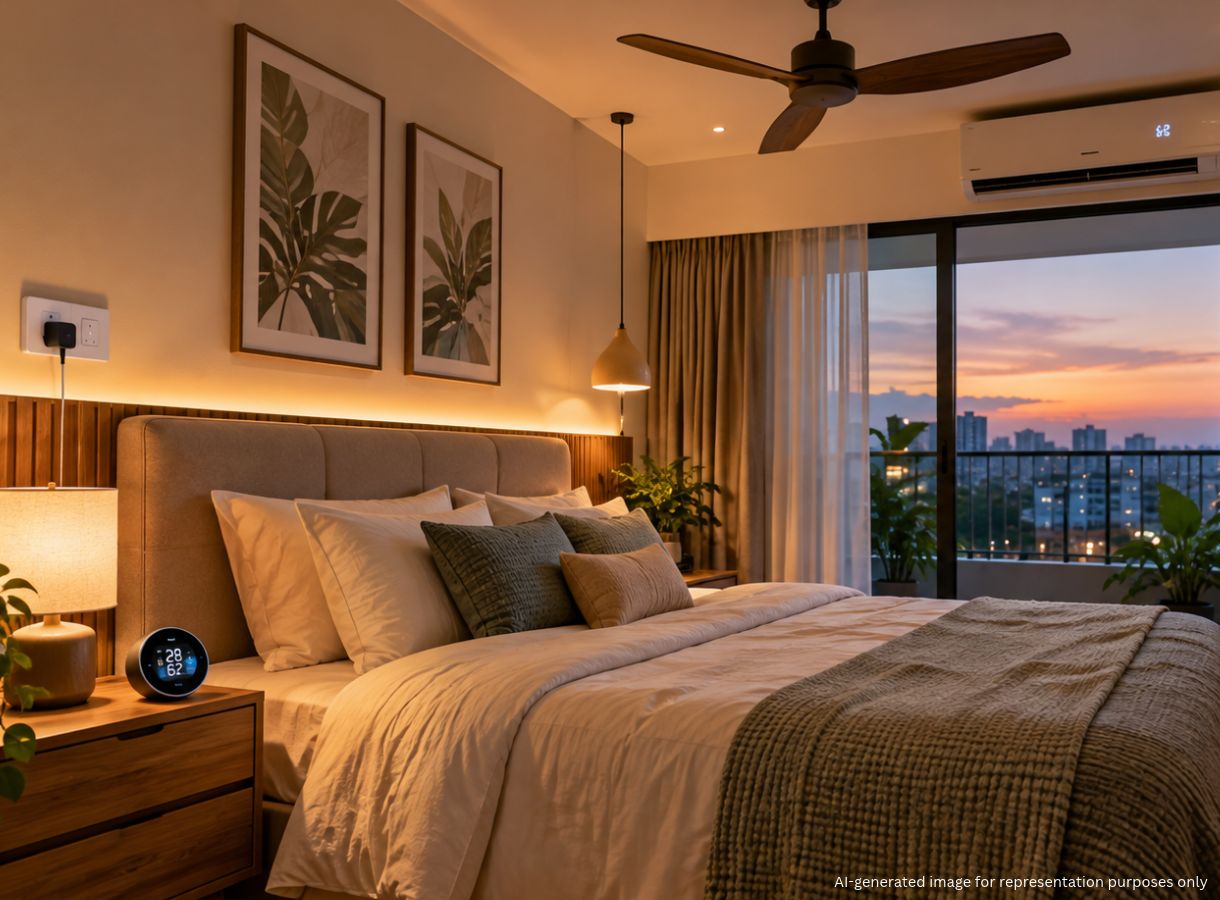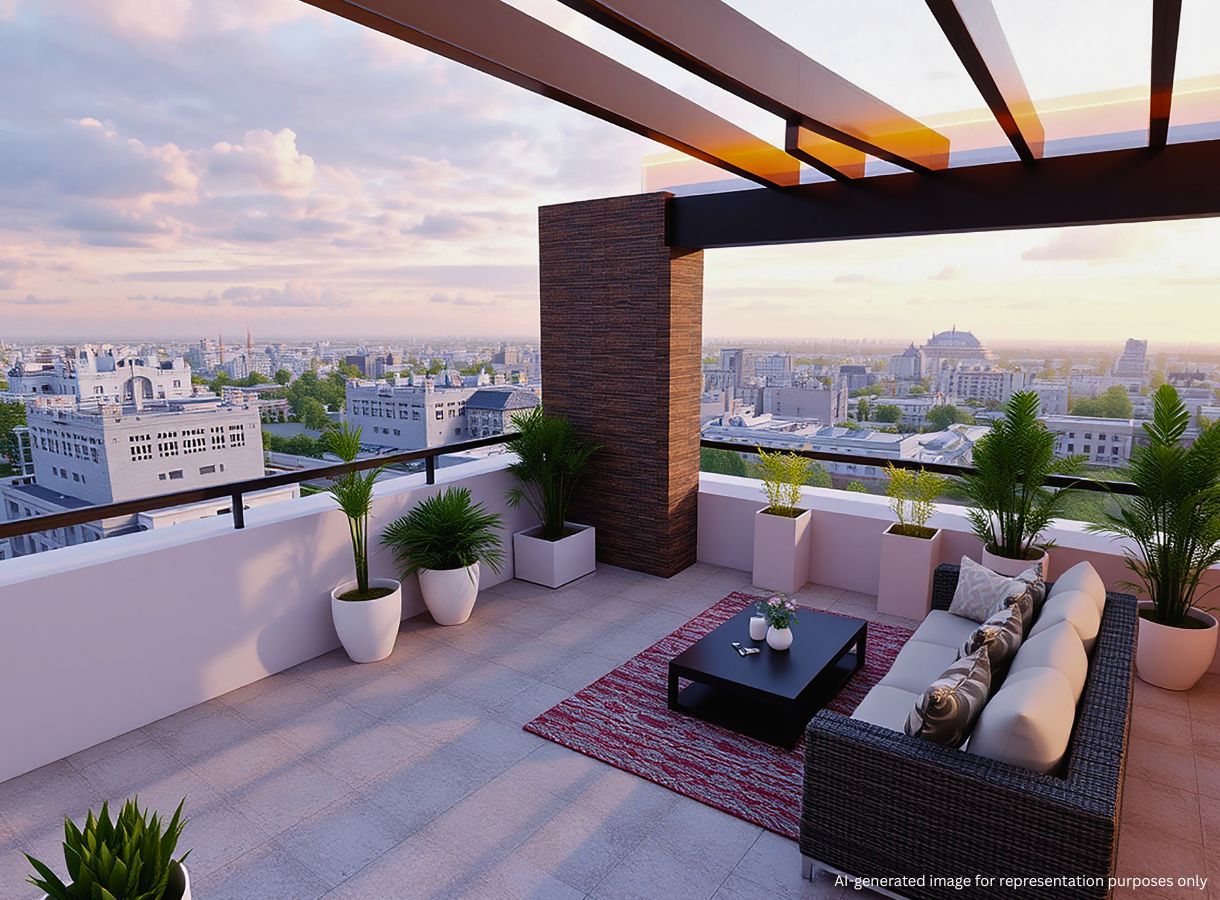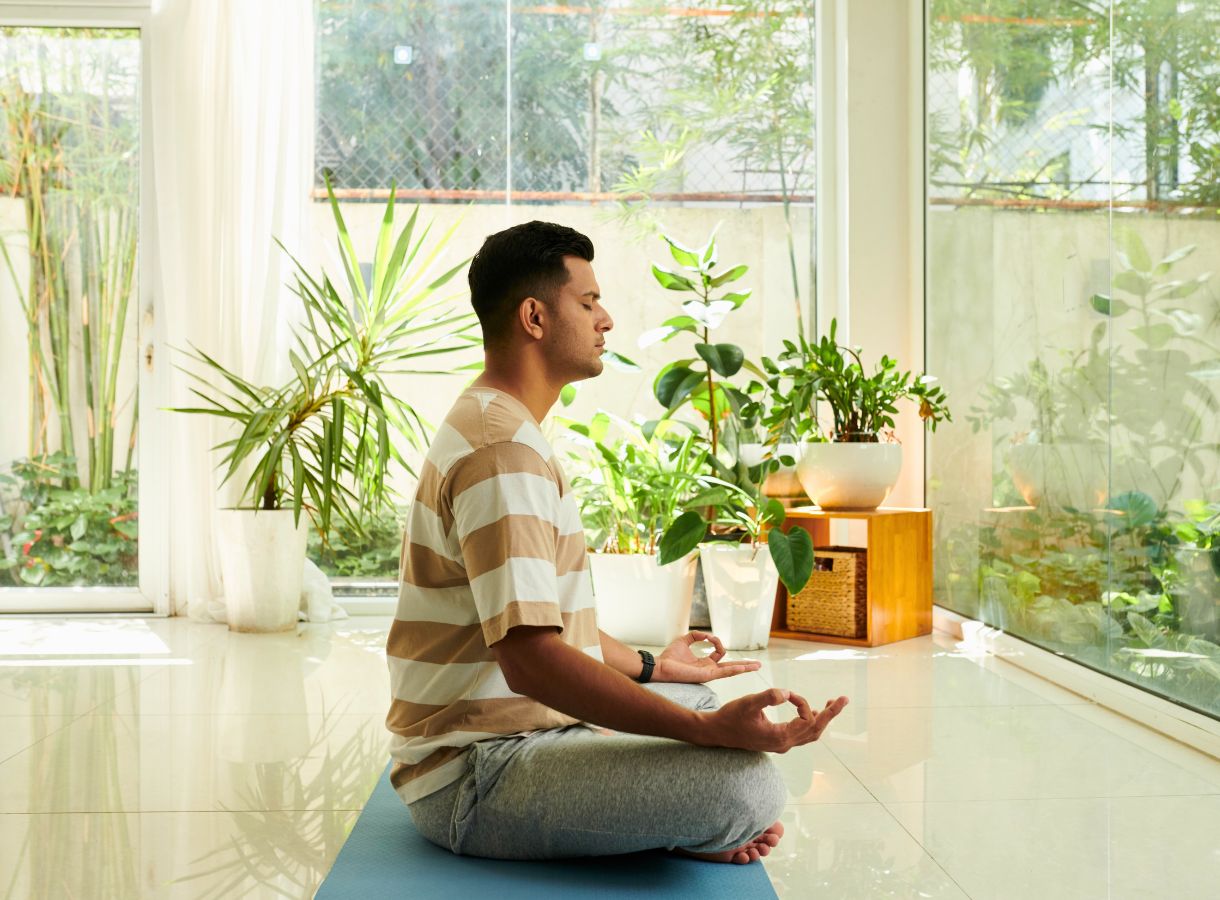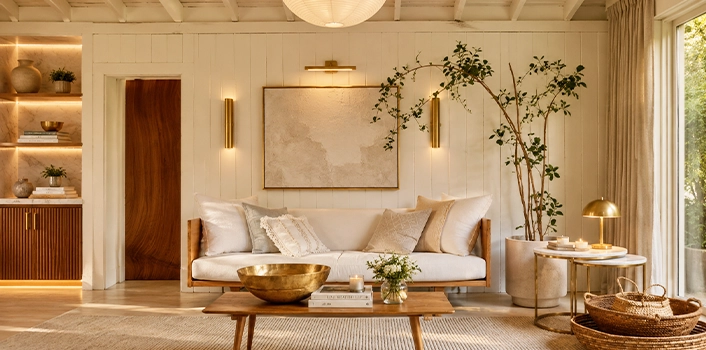
Modern homeowners are rethinking what makes a home truly beautiful. Instead of focusing only on appearance, people are now choosing interiors that support healthier living and reduce environmental impact. Sustainable home decor has become an important part of modern design, combining comfort, durability, and responsible choices. From natural materials to energy efficient systems, eco-friendly interiors are creating homes that feel timeless and practical.
Short lived decor trends are slowly losing popularity as homeowners prefer designs that remain relevant for years. Neutral colour palettes, durable materials, and adaptable layouts are becoming essential features of modern interiors. Modular furniture and flexible storage solutions also help homes adjust to changing lifestyles without requiring complete renovations. This approach reduces waste while also lowering long term maintenance needs.
Furniture designed for repair, reuse, and repurposing is becoming more common in sustainable homes. Modular sofas, detachable cabinets, and refinished surfaces allow products to stay useful for longer periods. Alongside this shift, vintage and upcycled decor pieces are gaining value for their uniqueness and history. Sustainable interiors now focus on creativity and functionality rather than constant replacement.
Homeowners are increasingly supporting regional craftsmanship and traditional design techniques. Locally sourced materials reduce transportation related emissions while preserving cultural artistry such as weaving, carving, and natural dyeing. At the same time, regenerative textiles and biodegradable fabrics are helping create healthier indoor environments with fewer chemical pollutants. Sustainable fabrics used in curtains and upholstery also contribute to reducing textile waste.
Eco conscious interiors now include systems that improve efficiency without affecting style. Passive design elements such as thermal curtains, reflective surfaces, and improved ventilation help maintain indoor comfort naturally. Water saving features including low flow fixtures, greywater recycling, and smart irrigation systems are also becoming popular in modern homes. These additions support resource conservation while maintaining elegant interiors.
Many homeowners now want clear information about the environmental impact of the materials used in their homes. Reclaimed wood, certified plywood, low carbon materials, and low toxin finishes are increasingly preferred choices. Alongside this, biophilic design is evolving beyond simple indoor plants. Living walls, moss installations, and air purifying systems are being used to improve air quality and strengthen the connection between people and nature.
Smart home technology is becoming more subtle and efficient. Occupancy based lighting, adaptive cooling systems, and energy monitoring tools help reduce consumption quietly in the background. Sustainability is also expanding beyond individual homes through community sharing systems such as furniture libraries and exchange programs that encourage reuse and reduce waste.
Sustainable home decor is no longer considered a niche concept. It has become a practical and elegant way to design healthier and more efficient living spaces. By combining thoughtful materials, efficient technology, and responsible design practices, modern interiors are helping shape a future where homes support both people and the environment.
1. What is sustainable home decor?
Sustainable home decor focuses on environmentally responsible materials, energy efficiency, and long-lasting design.
2. Why are modular furniture designs popular?
They adapt easily to changing needs and help reduce waste over time.
3. What are regenerative textiles?
These are fabrics produced using methods that reduce environmental damage and support healthier ecosystems.
4. How does passive design save energy?
Passive design improves natural cooling, ventilation, and lighting to reduce energy use.
5. What is biophilic interior design?
It is a design approach that connects indoor spaces with natural elements to improve wellbeing.