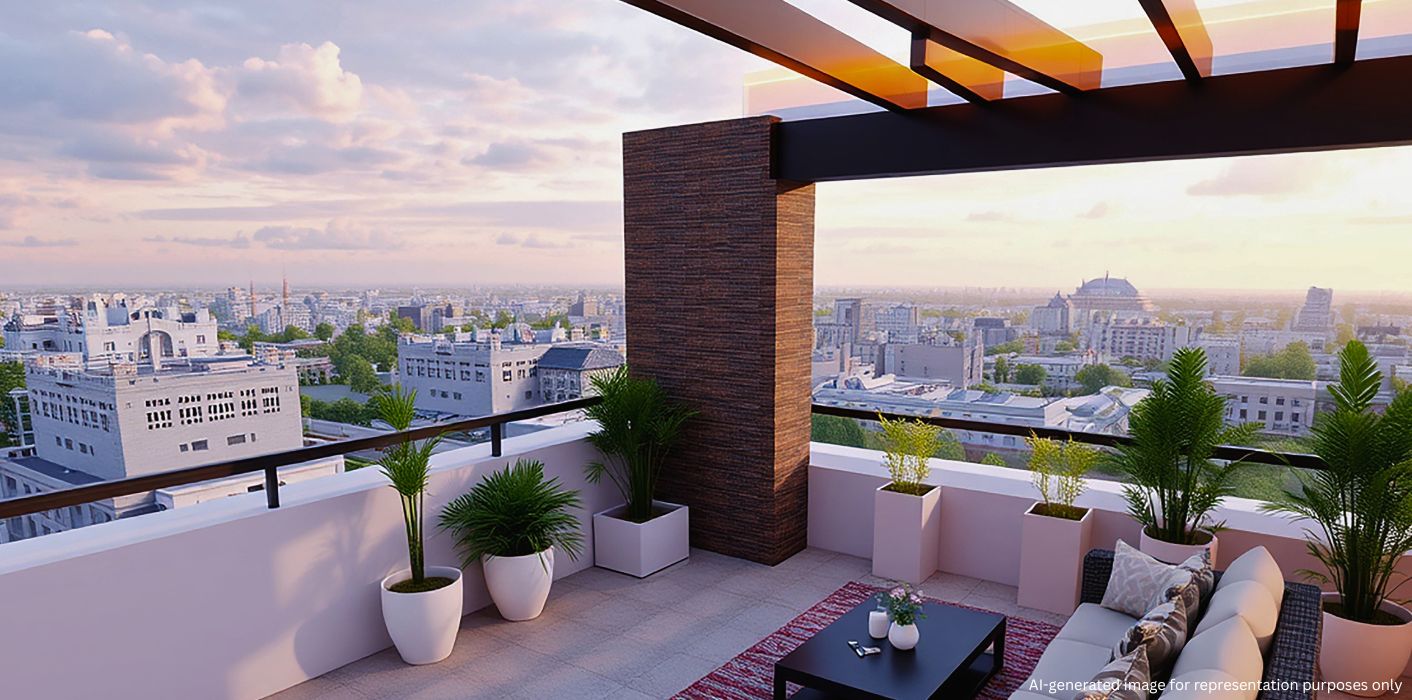
You don't need a big renovation budget to turn a rooftop into one of the most-used spaces in your home. A low-cost rooftop design works best when it's built around smart use of space rather than expensive furniture or elaborate structures. The trick is to figure out how you actually want to use the terrace, sort out the essentials first, and then let the space grow over time. A bit of seating, some greenery, the right lighting, a patch of shade, and furniture that pulls double duty - that's usually enough to make a terrace genuinely comfortable without draining your wallet.
Before you start planning the look of the place, take stock of the rooftop itself. Walk the space, note where the doors, stairways and drainage points sit, and get a sense of how much usable area you're actually working with. It's also worth checking whether the surface, railings and any electrical points are up to the job. Waterproofing and drainage need attention early on - nothing you add to the rooftop should get in the way of water flow. If there are existing surface or structural issues, sort these out before bringing in furniture or plants. Fixing them later, once everything else is in place, almost always costs more.
How you lay out the rooftop really comes down to what you plan to do up there. If it's mainly a spot to unwind, a comfortable seating area, some greenery and soft lighting might be all you need. If you host people regularly, you'll want more seating and maybe room for a small dining setup. When outdoor space is tight, it helps to let the rooftop serve more than one purpose - a corner that works as a quiet reading spot by day can turn into a casual hangout space in the evening. Getting clear on the main purpose early on stops the terrace from getting cluttered with things you don't really need.
You don't have to do everything at once. It works better to split spending into three stages:
Spreading the project out this way keeps costs manageable and lets the rooftop take shape gradually instead of needing one large investment upfront.
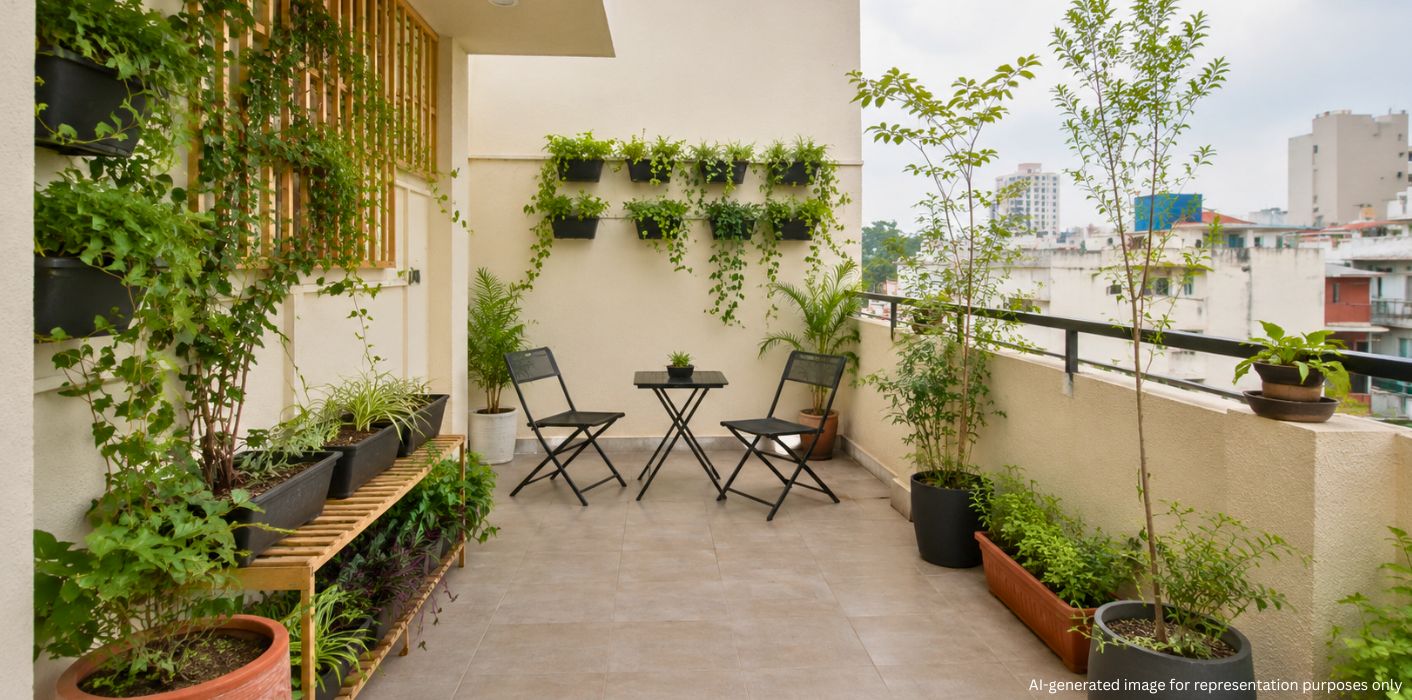
A compact rooftop can start to feel cramped fast if you pack in too much furniture or too many pots. Keep a clear path to walk through, and avoid putting large pieces right in the middle of the space. Going vertical helps a lot here. Wall-mounted planters, narrow shelves and trellises bring in greenery without eating into your floor area. Foldable furniture and pots you can shift around also make it easier to reconfigure the space depending on what you need it for on a given day.
Rather than trying to furnish the whole rooftop at once, start with a single, well-thought-out seating area. A couple of outdoor chairs, a compact bench or a small table is often enough for everyday use. If money's tight, some indoor furniture can be adapted for outdoor use where it makes sense, and cushions or removable covers add comfort and colour cheaply. Storage benches are worth considering too - they double up as seating and a place to stash cushions, gardening tools or whatever else tends to pile up on a terrace.
Plants do more than dress up a terrace - they can also create a bit of separation from neighbouring buildings. Instead of covering every inch with pots, place greenery where it counts: around the seating area, along the edges, and in corners that would otherwise go unused. Vertical planting is a good option when floor space is scarce. Trellises and tall planters can add privacy without the need for a permanent wall. Herbs and vegetables make a small rooftop garden genuinely useful, and choosing low-maintenance plants keeps the upkeep manageable.
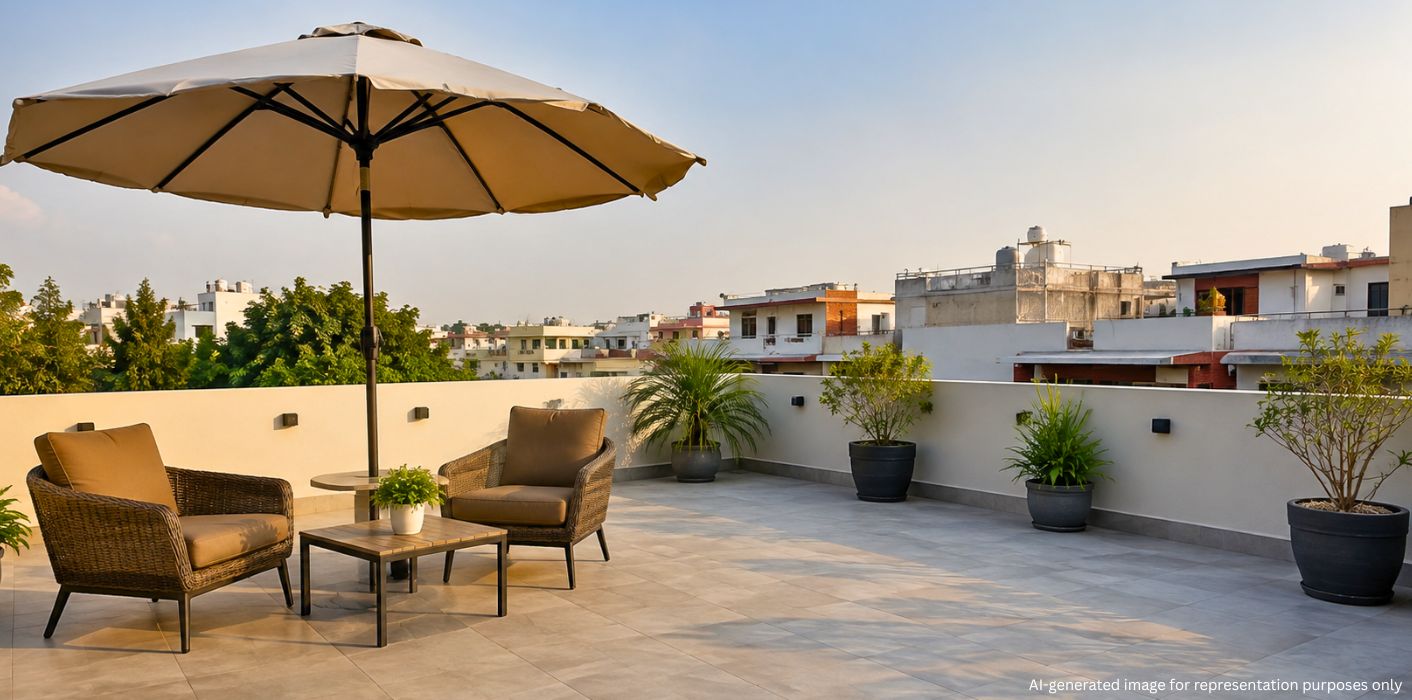
There's no need to cover the entire rooftop. Shading just the main seating area is usually a far cheaper approach than building a large permanent structure. Umbrellas, retractable shades and lightweight canopies give you flexibility to adjust as needed. A pergola is worth considering if you want something more permanent, but its size and weight should suit what the rooftop can actually support.
The floor sets the tone for the whole terrace, but replacing it entirely often isn't necessary. Outdoor rugs, well-placed planters and furniture can visually break up an existing floor into different zones. Where the flooring genuinely needs work, pick outdoor-suitable materials based on the existing surface, local climate and your budget. Aim for something practical and durable rather than choosing a finish purely for looks.
Simple lighting can make a big difference to how usable the rooftop is once the sun goes down. Rather than lighting up the whole terrace, focus on entrances, walkways and the seating area. Solar lights and wall-mounted fixtures give you decent illumination along with some atmosphere, without much installation hassle. Just make sure cables are concealed and connections are properly protected from the weather.
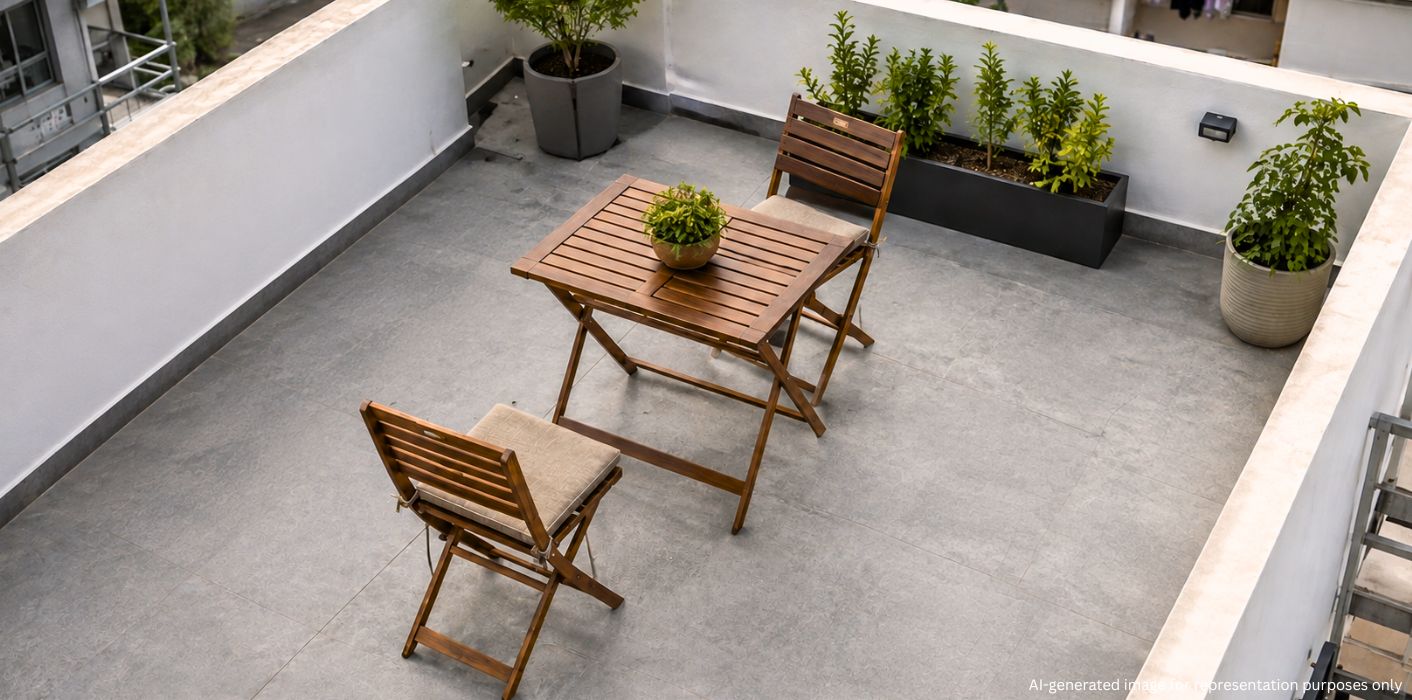
Multipurpose furniture cuts down on both cost and clutter. A storage bench, a foldable table or chairs you can move around easily adapt to however the rooftop is being used on a given day. Furniture that folds or stores away also makes it easier to deal with seasonal changes. If you're using umbrellas, canopies or other lightweight structures, secure everything properly in areas that get strong wind.
A rooftop doesn't need matching designer furniture to feel put-together. Reusing household items you already have can add character and cut down on new purchases. Old wooden crates work well as storage or side tables, and reclaimed materials can be worked into simple decorative touches. DIY planters, handmade wall décor and repurposed furniture all give the space a more personal feel.
If your rooftop is overlooked by neighbouring buildings, privacy is worth planning for. Plants, trellises and outdoor screens create visual separation while still looking decorative. Maintenance matters too, and it's worth factoring in before you buy anything. Furniture and fabrics exposed to sun and rain need proper care, and a large number of plants means more regular watering. Sticking to durable materials and manageable greenery keeps the upkeep from becoming a chore.
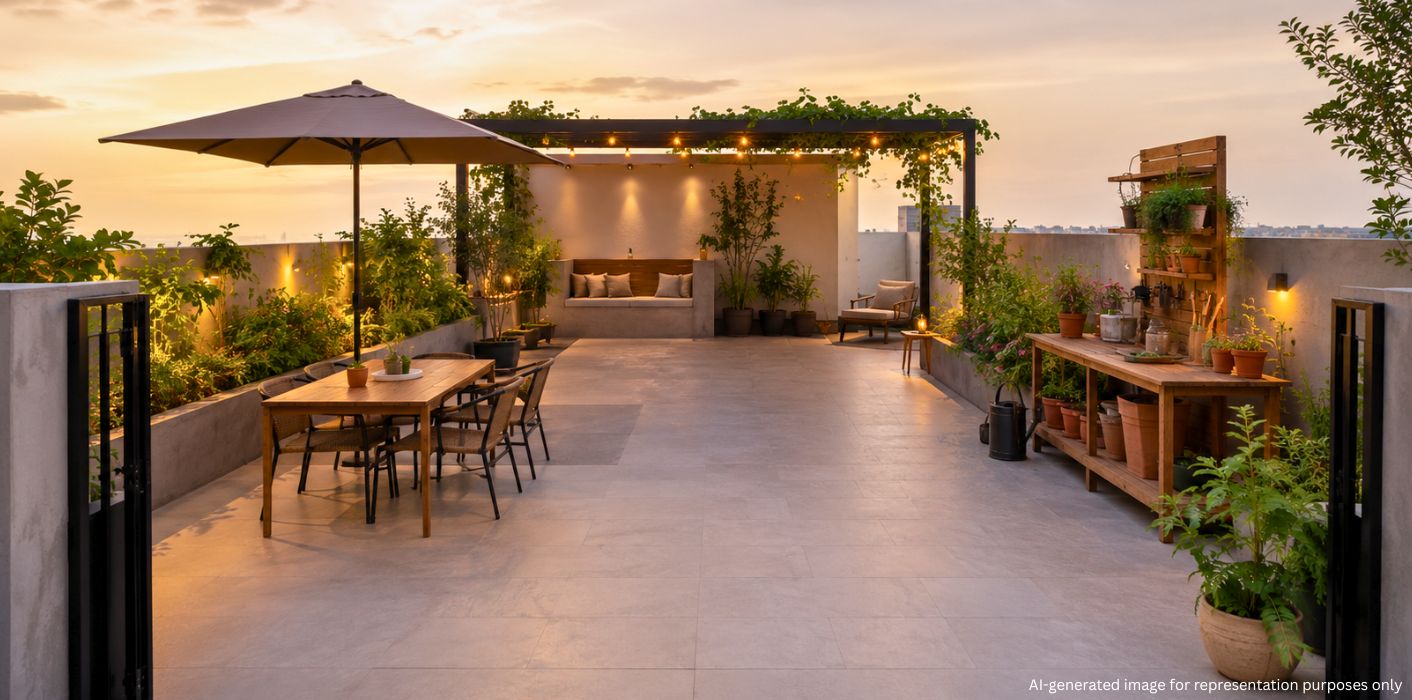
Once seating, shade, lighting and greenery are in place, you can think about extras - a small outdoor dining setup, a gardening station, a reading nook, or some kind of recreational feature, depending on what suits the space. Anything involving significant weight, water, fire or permanent construction needs more careful planning. Before adding anything substantial, check the rooftop's structural suitability and get professional advice if needed.
Cost depends on the size of the terrace, its current condition, and how many permanent features you're adding. A simple setup built around existing furniture, some plants and basic lighting will cost far less than one involving new flooring, permanent shade structures or extensive landscaping. The easiest ways to keep spending in check: reuse what you already have, buy only what the space genuinely needs, stick to movable furniture, and spread the project out over time. Local fabricators or artisans can also be a good option for custom pieces without paying for high-end finishes.
A good low-cost rooftop doesn't need to happen in one go. Start with the essentials, build a comfortable everyday space, and then layer in greenery, lighting, privacy and décor as your budget allows. The real key is making sure every addition earns its place. Balance comfort, safety, upkeep and appearance, and even a modest rooftop can become a genuinely useful extension of the home - without spending more than you need to.