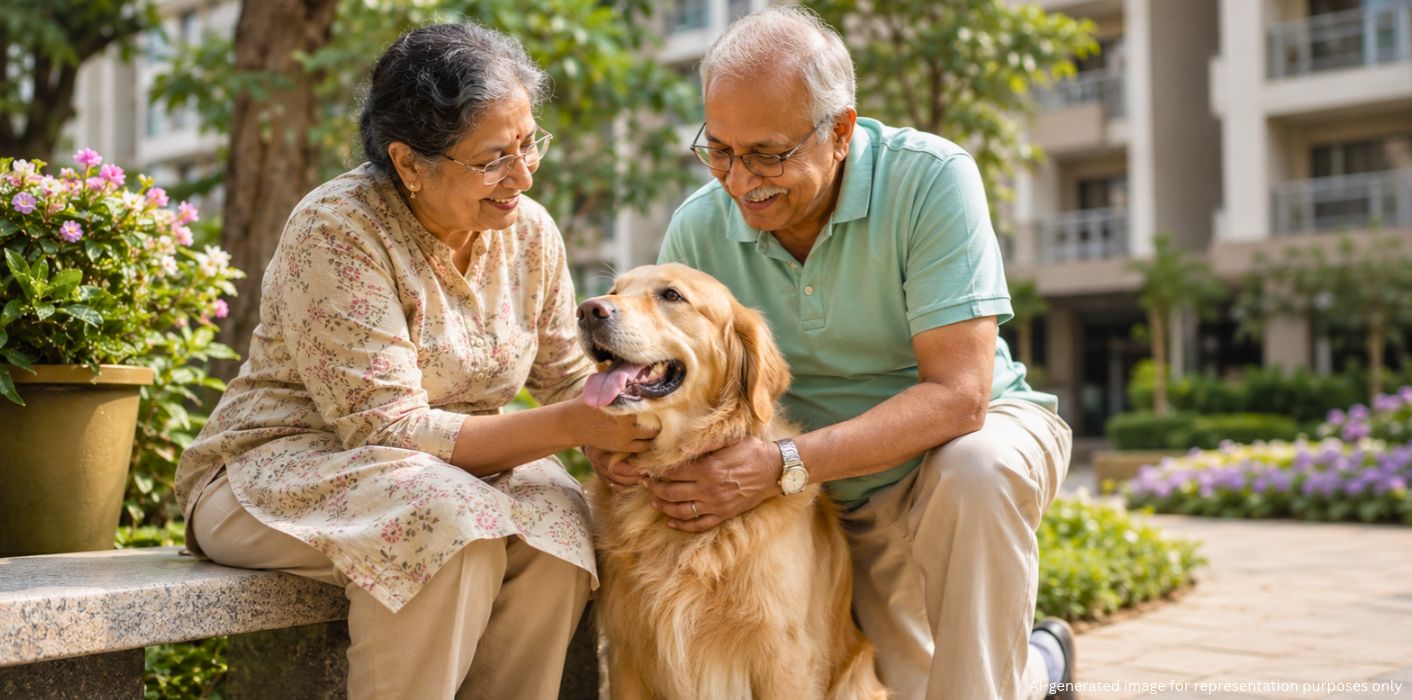
For many urban households, coming home no longer means returning to a place built only for people. A dog waiting at the door or a cat curled up in the living room has become part of what makes a house feel like home. This is driving interest in pet-friendly housing in Indian real estate, where the focus is shifting from simply allowing pets to designing communities around their needs. A genuinely pet-friendly development considers the apartment, shared spaces, community rules and everyday conveniences together. As nuclear households and apartment living become more common across Indian cities, developers are increasingly exploring pet-inclusive features that could make residential projects more appealing to modern homebuyers.
Pet-friendly housing is more than a society that permits residents to keep pets. A well-designed community should reduce everyday difficulties for both pet owners and other residents.
Key features can include:
Pets increasingly play an important role in urban family life, providing companionship and supporting emotional wellbeing, particularly as more people live in nuclear or single-occupant households. This changing relationship is influencing housing preferences. For many younger homebuyers, moving to a property where pet ownership is difficult can be a significant disadvantage. Pet-friendly housing is therefore becoming a lifestyle consideration rather than a niche requirement.
For developers, pet-friendly features can also create differentiation. In markets where residential projects offer similar amenities, facilities such as pet parks, walking areas or grooming spaces can make a development more relevant to pet-owning households.
Housing societies cannot treat pets as a prohibited category. The Animal Welfare Board of India (AWBI) has issued advisories stating that resident welfare associations and apartment owners' associations cannot impose a blanket ban on keeping pet dogs. Pet owners, however, are expected to act responsibly. Local rules may cover registration, vaccination, sterilisation, waste management and responsibility for incidents involving pets.
For example, the Noida Authority's pet policy requires pet registration, sterilisation and anti-rabies vaccination for pet dogs. It does not permit restrictions based on a pet's size and places responsibility on owners for applicable fines and medical expenses when their pets cause injury.
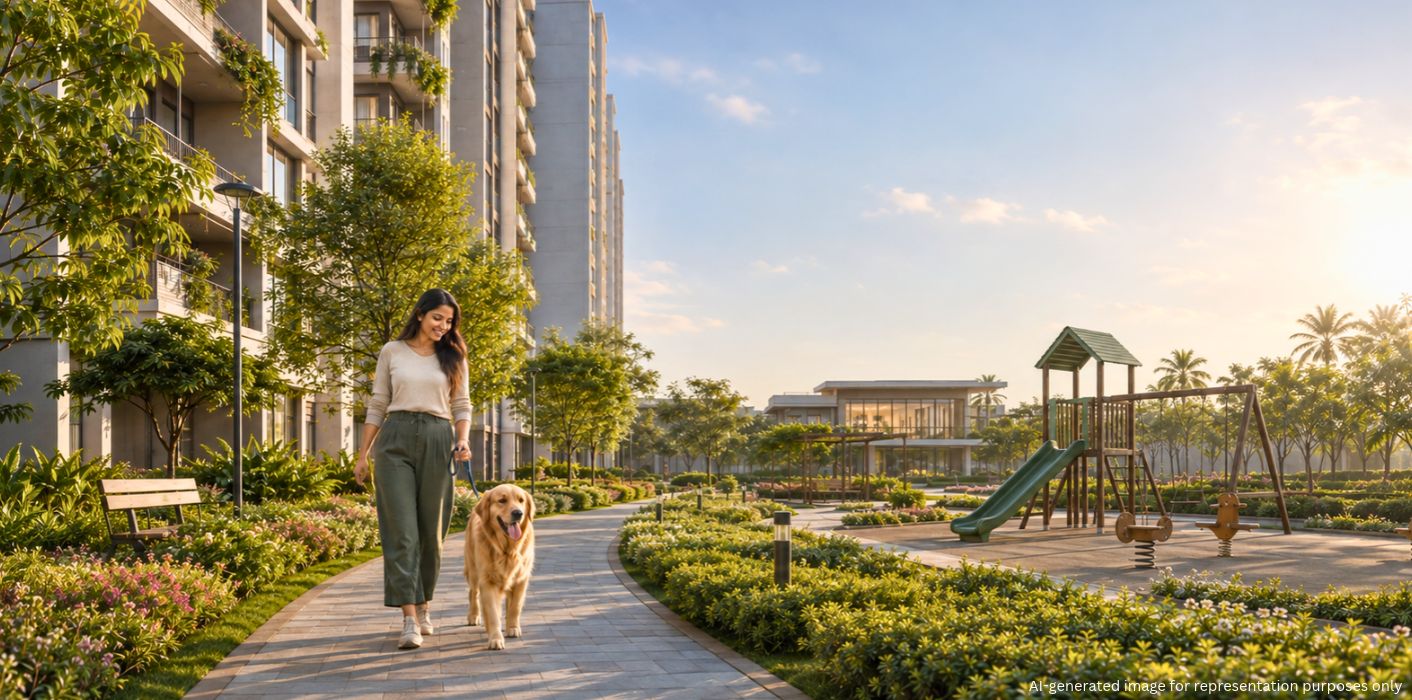
Well-planned pet-friendly housing can improve everyday living in several ways:
Pet-friendly housing can create practical and market advantages for both groups.
As apartment living expands across tier-1 and tier-2 cities, space limitations make well-planned shared amenities increasingly important. Pet-friendly housing addresses this need by treating pets as part of the household rather than an afterthought.
The next generation of residential communities is therefore likely to focus not only on whether pets are allowed, but on how comfortably people and animals can share the same environment. The success of this approach, however, will depend on thoughtful design, practical rules, responsible pet ownership and effective community management.