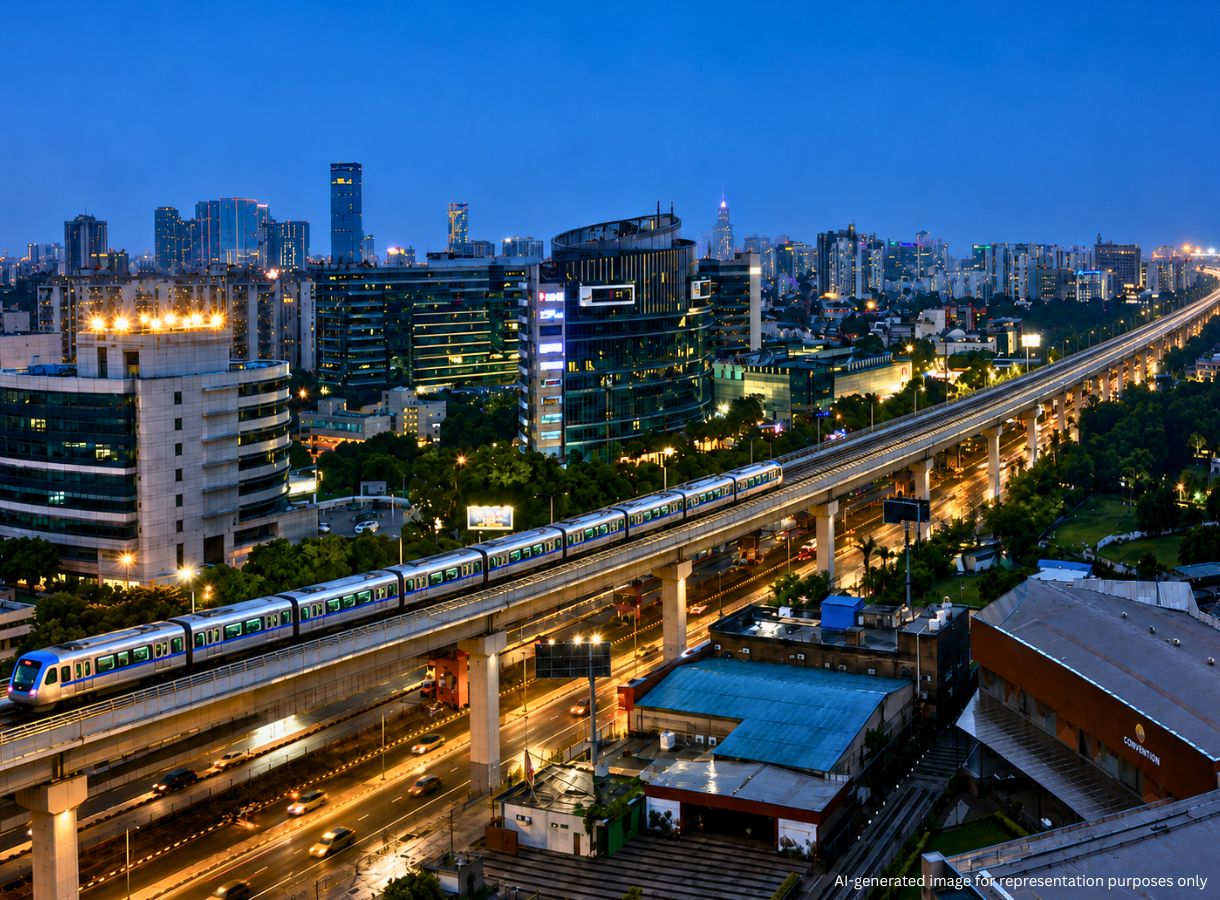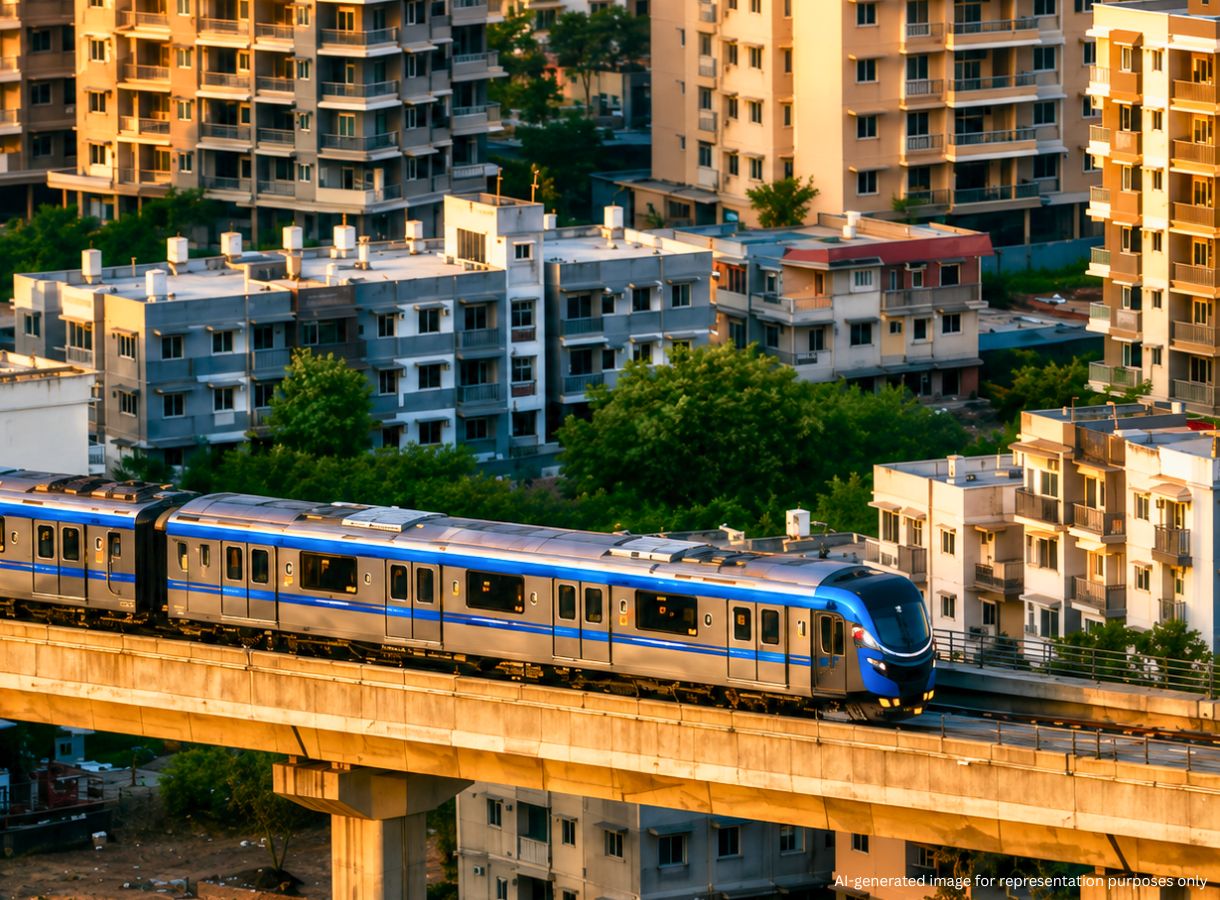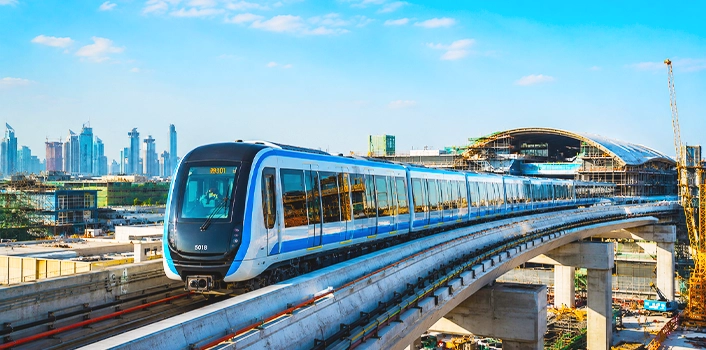
Chennai is entering a new phase of urban transformation, and at the center of this change is the ambitious Chennai Metro Phase II project. Spread across 118.9 kilometres with 128 stations, the massive expansion is doing far more than improving public transport. It is reshaping the way people move, invest, work, and live across the city.
As construction progresses across key corridors connecting Madhavaram, SIPCOT, Poonamallee, Lighthouse, and Sholinganallur, the metro network is gradually becoming the backbone of Chennai’s future growth. Roads that were once crowded with traffic are expected to witness smoother movement, while commuters will soon gain access to faster and more reliable travel options across major residential, commercial, and IT hubs.
The recently approved Poonamallee to Vadapalani stretch marks a major milestone in this journey. With trains expected to run every ten minutes and speed restrictions eased, the corridor is set to significantly reduce travel time for thousands of daily passengers. For many residents, this is more than just another transport project. It represents convenience, accessibility, and a better quality of urban life.
One of the strongest impacts of Chennai Metro Phase II lies in its ability to connect growing neighbourhoods with business districts and employment centres. Areas such as Porur, Sholinganallur, Madhavaram, Alandur, Vadapalani, and SIPCOT are expected to benefit from improved mobility and stronger infrastructure support.
For years, long travel times have been a challenge for office workers and residents moving between the city centre and the IT corridor. The expansion of Corridor 5 from Madhavaram to Sholinganallur is expected to change this experience entirely. Faster metro access can help reduce dependence on private vehicles while improving everyday commuting comfort.
The project is also expected to ease pressure on Chennai’s road network. As barricades are gradually removed after viaduct work is completed, several major roads will regain full width, improving traffic movement and road safety in busy stretches.
Metro connectivity has always played an important role in shaping property demand, and Chennai is now witnessing a similar pattern. Locations situated near upcoming metro stations are becoming increasingly attractive for homebuyers, investors, and developers.
Areas along the Phase II corridors are already seeing rising interest because better transportation often leads to improved accessibility, stronger rental demand, and higher long term property value. Residential projects near metro stations are expected to attract working professionals who prefer shorter and more convenient travel options.
The impact extends beyond housing. Commercial activity is also expected to increase around metro corridors as businesses look for well connected locations with higher footfall. This combination of transport and development is gradually creating new urban growth zones across the city.
Chennai Metro Rail Limited is also focusing on large scale commercial development along Phase II routes. Plans to develop more than 73 lakh square feet of commercial space across multiple locations show how metro infrastructure is becoming part of a broader urban planning strategy.
Locations such as Vadapalani, Alandur, Sholinganallur, Boat Club, and Kutchery Road are expected to emerge as important commercial clusters linked directly to metro stations. Integrated developments combining transit access, retail space, office infrastructure, and public movement can significantly change the urban landscape over the next few years.
This model follows successful approaches already seen in cities like Delhi and Bengaluru, where metro systems have become catalysts for mixed use development and economic activity. Experts believe such transit oriented growth can encourage more people to use public transport while reducing traffic congestion and pollution levels.
At the same time, planners continue to stress the importance of pedestrian friendly infrastructure. Better walkways, safer crossings, and improved last mile connectivity will play a critical role in ensuring the success of these developments.
Chennai Metro Phase II is not just an infrastructure project designed for present day travel needs. It is a long term investment in the city’s future growth. By improving connectivity, supporting commercial expansion, and influencing real estate development, the metro network is helping Chennai evolve into a more connected and efficient metropolitan city.
As new stretches become operational over the next few years, the benefits will become increasingly visible in everyday life. Faster commutes, better urban planning, reduced congestion, and stronger economic activity are expected to shape the next chapter of Chennai’s growth story.
For residents, businesses, and investors alike, Chennai Metro Phase II represents more than transportation. It reflects the city’s larger vision of sustainable urban development built around accessibility, connectivity, and future readiness.
1. What is Chennai Metro Phase II?
Chennai Metro Phase II is a 118.9 km metro expansion project featuring three new corridors and 128 stations designed to improve connectivity across Chennai.
2. Which is the first operational stretch of Chennai Metro Phase II?
The Poonamallee to Vadapalani stretch is the first Phase II section ready for public operations.
3. How will Chennai Metro Phase II impact real estate?
Properties near metro corridors are expected to see higher demand, improved accessibility, stronger rental potential, and better long term value appreciation.
4. What are the three corridors in Chennai Metro Phase II?
Corridor 3 connects Madhavaram to SIPCOT, Corridor 4 connects Lighthouse to Poonamallee Bypass, and Corridor 5 connects Madhavaram to Sholinganallur.
5. Why is transit oriented development important in Chennai?
Transit oriented development encourages commercial growth and residential expansion around metro stations while reducing traffic congestion and improving public transport usage.