The interior design landscape in Bangalore is changing rapidly in 2026, reflecting the city's focus on innovation, sustainability, and contemporary lifestyles. Homeowners and businesses are increasingly looking for interiors that combine functionality with visual appeal while adapting to changing living and working patterns. As urban spaces continue to evolve, interior design is placing greater emphasis on practicality, technology integration, and personalised experiences that support everyday needs.
Sustainability has become an important consideration in modern interiors across Bangalore. Eco conscious materials and environmentally responsible design solutions are being incorporated into residential and commercial spaces without compromising aesthetics. Recycled wood, bamboo furniture, low VOC paints, natural finishes, and energy efficient lighting systems are increasingly being used to create healthier environments. Indoor plants also remain a popular addition, contributing to improved indoor air quality while enhancing the overall appearance of interiors.
As India's leading technology hub, Bangalore continues to embrace smart home concepts. Interior layouts are now designed to accommodate automated lighting, climate control systems, voice enabled devices, and integrated entertainment solutions. Concealed wiring and minimalist control panels ensure that technology complements rather than dominates the design. This approach creates clean and organised interiors where convenience and functionality work together with modern aesthetics.
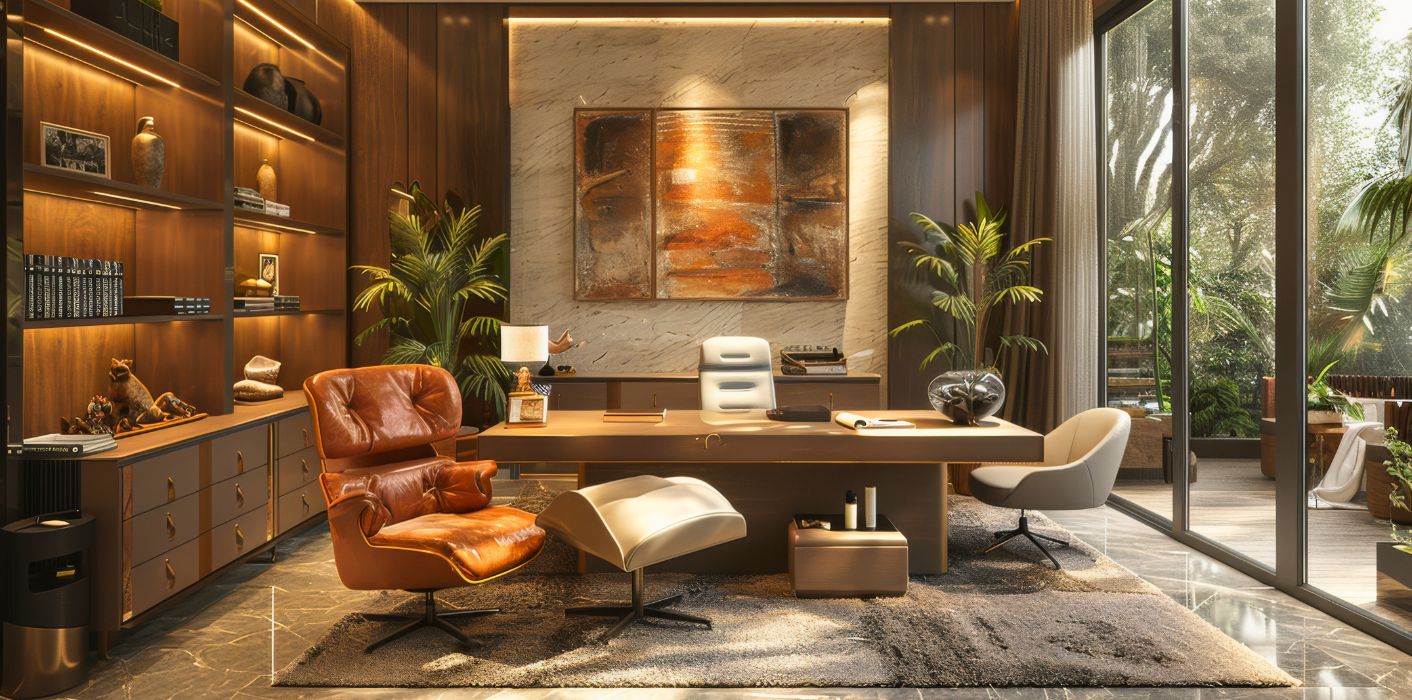
Minimalism remains a preferred design style in 2026, although it has evolved to create more welcoming spaces. Neutral shades such as beige, soft grey, and taupe are widely used alongside textured fabrics including linen and boucle. Wooden finishes introduce warmth while curved furniture designs soften the overall appearance of interiors. The result is a balanced environment that feels uncluttered yet comfortable, offering both simplicity and everyday practicality.
The growth of apartment living and hybrid work arrangements has increased demand for flexible interior layouts. Spaces are being designed to perform multiple functions without sacrificing comfort or appearance. Foldable workstations, concealed storage units, convertible furniture, and decorative partition walls help maximise available space while maintaining visual harmony. Careful planning allows homes to adapt to changing daily requirements and supports efficient use of every room.
Walls and ceilings are increasingly serving as design focal points in contemporary interiors. Wooden ceiling panels, geometric false ceiling patterns, textured wall finishes, and large format artwork are being used to create visually distinctive spaces. These design features introduce depth and personality while transforming ordinary rooms into engaging environments. Such elements allow interiors to stand out while maintaining a cohesive and balanced overall design.
Luxury interiors in 2026 focus more on individual preferences than excessive decoration. Custom designed modular kitchens, walk in wardrobes, marble and quartz surfaces, and layered ambient lighting are becoming preferred features in premium homes. Personalisation allows living spaces to reflect unique lifestyles while maintaining functionality and long term usability. The emphasis remains on creating interiors that combine elegance with practical everyday living.
Office and retail interiors in Bangalore are also evolving to support productivity and employee experience. Open collaborative areas encourage interaction, while acoustic panels provide privacy when needed. Biophilic design concepts bring natural elements into workplaces, creating healthier and more comfortable environments. Flexible workstation layouts further support changing work styles, helping businesses create spaces that encourage creativity, efficiency, and adaptability.
Interior design trends in Bangalore during 2026 demonstrate a clear shift towards sustainable practices, smart technology, adaptable layouts, and personalised experiences. Whether for homes or commercial spaces, the focus is on creating environments that balance aesthetics with functionality while supporting modern lifestyles. As design priorities continue to evolve, thoughtful planning and practical solutions remain central to shaping interiors that are both relevant and future ready.
1. What is the biggest interior design trend in Bangalore for 2026?
Sustainability combined with smart technology integration is one of the most significant interior design trends shaping Bangalore in 2026.
2. Why are multifunctional interiors becoming popular?
Urban apartments and hybrid work models require flexible spaces that can serve multiple purposes while maximising available area.
3. Which colours are trending in Bangalore interiors?
Neutral shades such as beige, soft grey, and taupe remain popular because they create calm and timeless living environments.
4. How is technology influencing interior design?
Automated lighting, climate control, voice enabled systems, and integrated entertainment solutions are being incorporated into modern interiors.
5. What defines luxury interior design in 2026?
Luxury interiors focus on personalised layouts, custom storage, premium materials, and layered lighting that combine elegance with everyday functionality.