Bengaluru is preparing for a major phase of infrastructure development with plans to improve transport, reduce traffic congestion, and encourage business growth across Karnataka. The government is focusing on expanding public transport, building new road infrastructure, and supporting development in tier 2 and tier 3 cities.
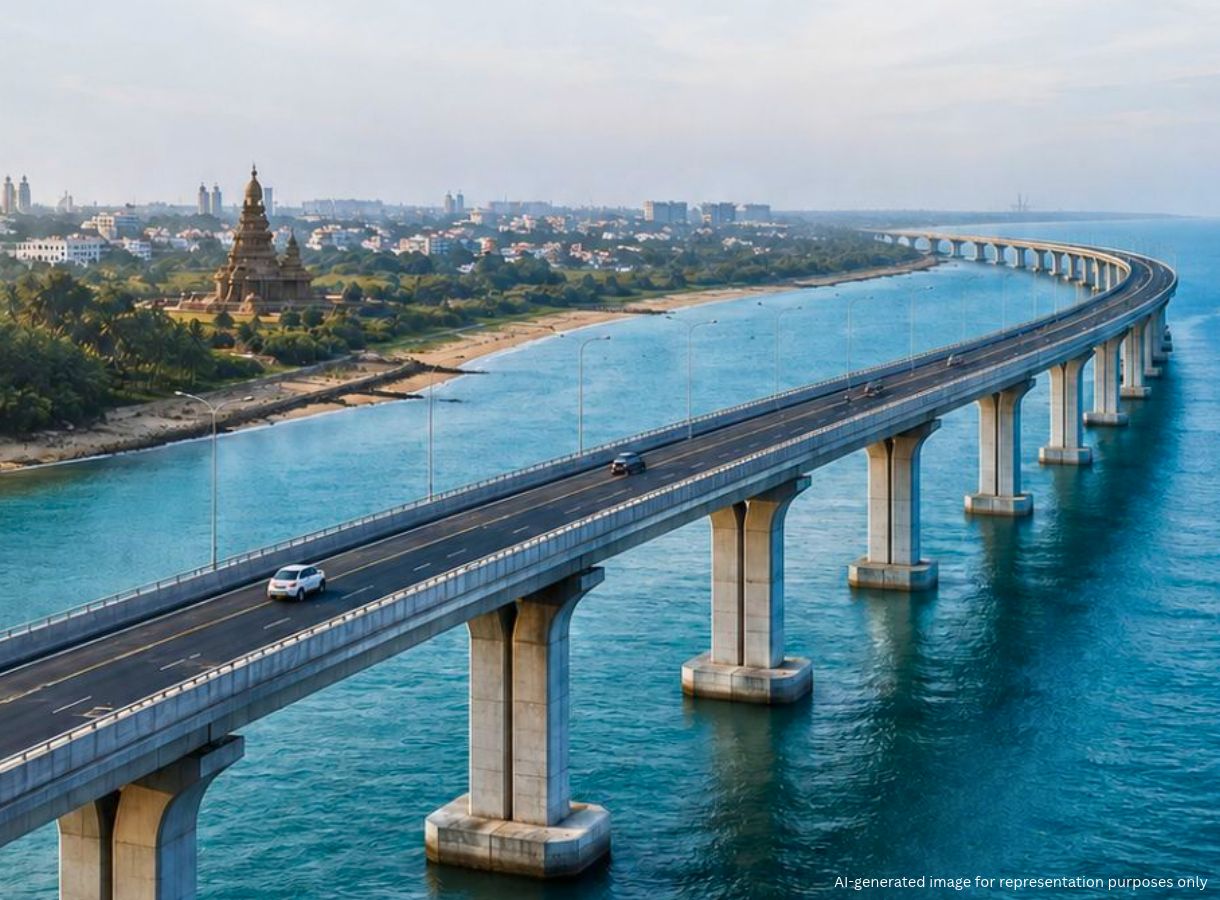
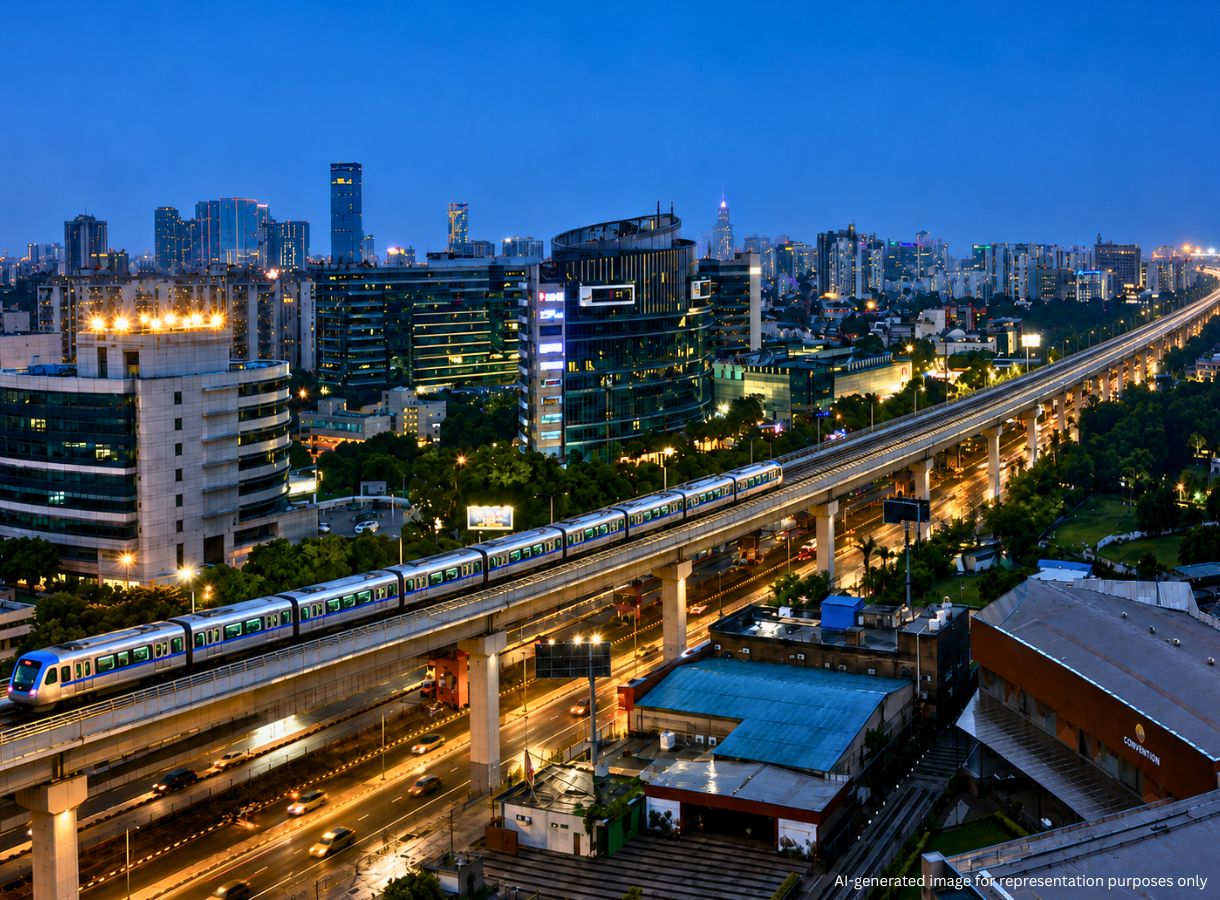
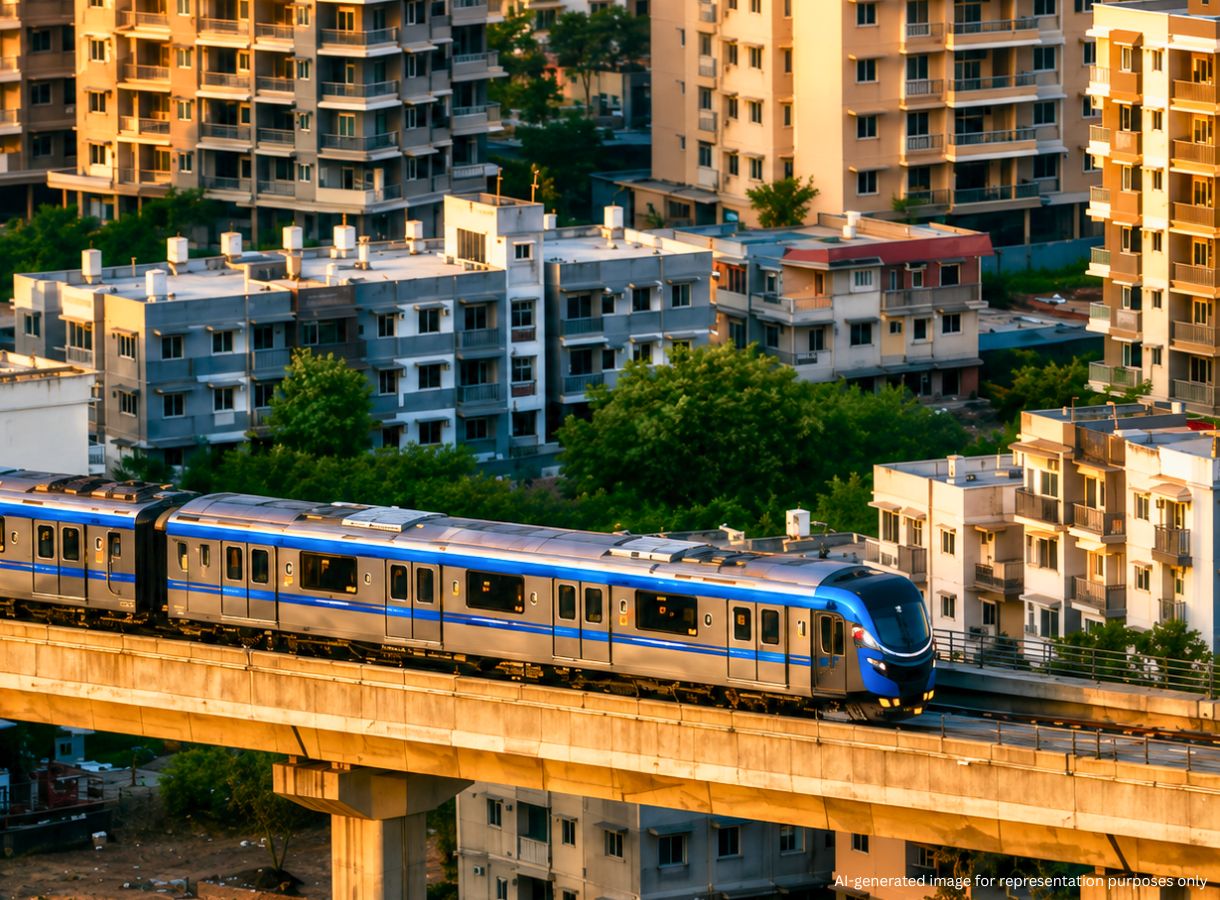
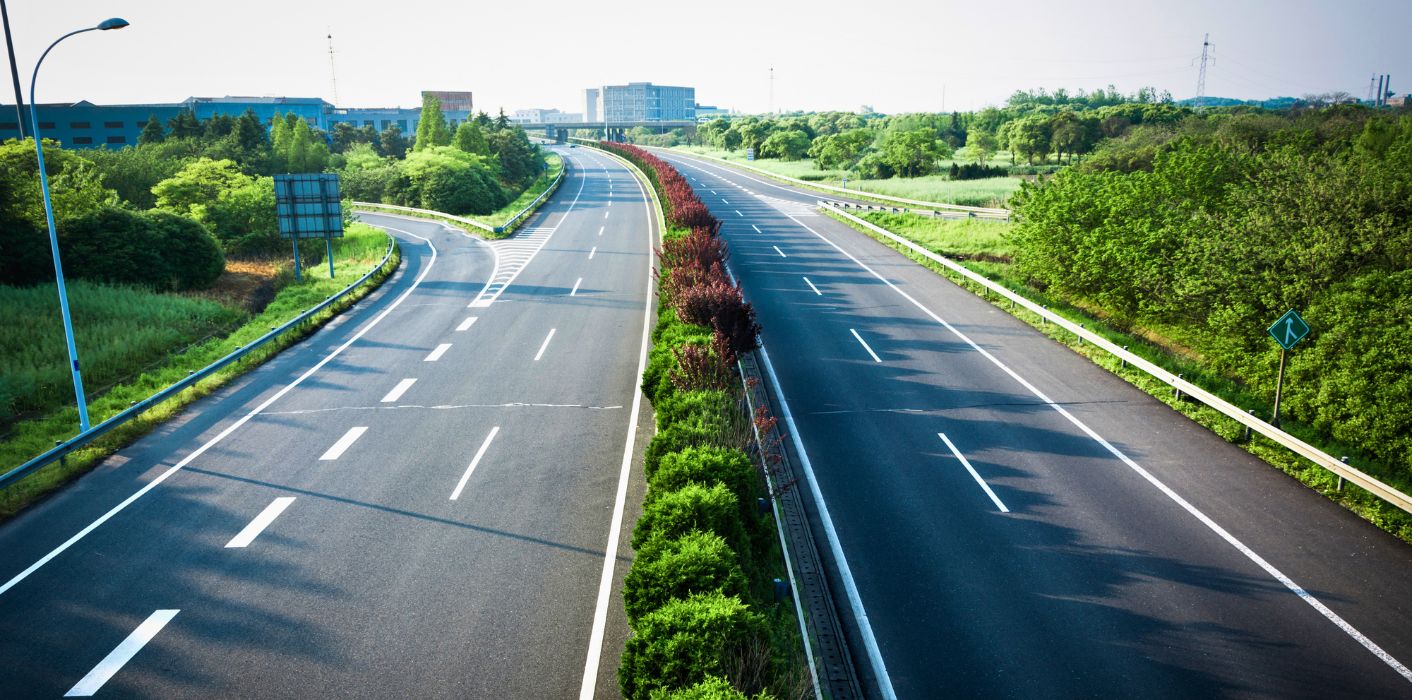
Improving traffic movement remains a key priority as the number of vehicles in Bengaluru continues to grow every month. The city's metro network, already planned to cover 350 kilometres, is expected to expand to 500 kilometres in the next phase, providing better public transport connectivity across Bengaluru. To support road travel, several large infrastructure projects are also moving forward. A tunnel road project has already been introduced near Hebbal to ease congestion in the area. In addition, a proposal for a new 40-kilometre tunnel road across Bengaluru is expected to receive approval soon. The government has also planned a 44-kilometre double decker flyover and a separate 133-kilometre flyover network. Alongside these projects, work is progressing on the 123-kilometre Bengaluru Business Corridor, which is expected to strengthen road connectivity and support the city's long-term development.
Along with infrastructure improvements in the capital, the government is promoting industrial and commercial development in Karnataka's tier 2 and tier 3 cities. To encourage larger commercial projects, the permitted Floor Area Ratio (FAR), which determines how much building space can be constructed on a plot, will be doubled in these cities. The government also plans to provide land at lower rates for industries looking to establish new facilities outside Bengaluru. These measures are intended to support balanced regional development while making use of the comparatively lower office rental costs available in these cities.
The combined focus on metro expansion, tunnel roads, flyovers, improved road corridors, and regional development reflects a broader effort to strengthen Karnataka's transport infrastructure and support future economic growth. By improving connectivity and encouraging investment beyond Bengaluru, the state aims to create a more efficient and balanced urban development model.
1. What is the planned length of Bengaluru's metro network?
The metro network is planned to expand from 350 kilometres to 500 kilometres.
2. Why are tunnel roads being built in Bengaluru?
They are intended to improve traffic flow and reduce congestion on busy routes.
3. What is Floor Area Ratio (FAR)?
FAR is a planning rule that determines how much building space can be developed on a piece of land.
4. Why is the government promoting tier 2 and tier 3 cities?
The aim is to encourage business and industrial growth beyond Bengaluru and support balanced regional development.
5. What is the Bengaluru Business Corridor?
It is a 123-kilometre road project designed to improve connectivity and support the city's future growth.